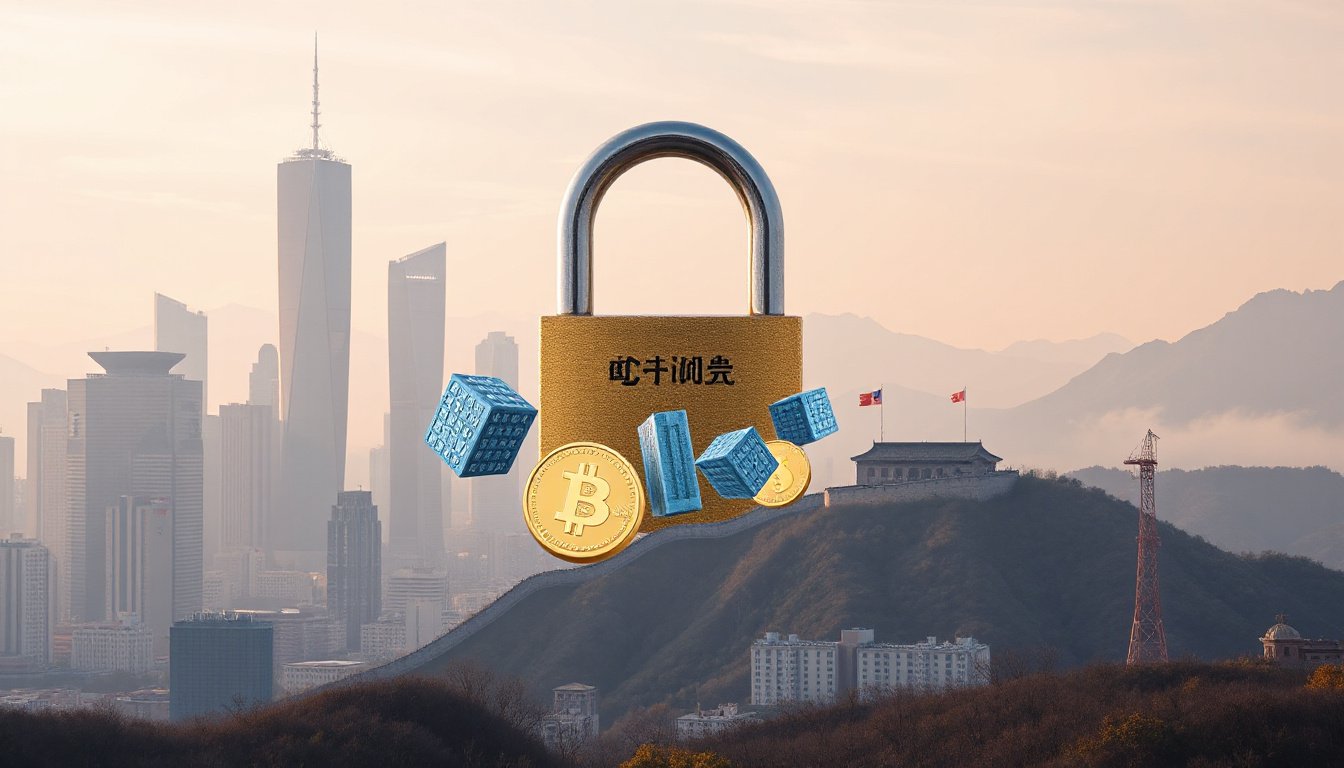
China Expands Cryptocurrency Ban to Include Stablecoins and Tokenized Real-World Assets Amid Divergent Regional Approaches
Chinese officials act to tighten state control over digital money. They extend the old ban on cryptocurrencies. The ban now covers coins tied to the Chinese yuan and digital versions of real assets. The People’s Bank, the securities commission, and other state groups join with one order. The law now changes how digital assets are dealt with in China.
Broadening the Scope of the Crypto Ban
China stopped crypto trading and mining before. Officials saw risk in money loss, market swings, and crimes. The new law adds coins that connect to the renminbi. These coins must earn state permission when they start. The rule works for makers both in China and abroad. The law also stops turning physical assets like land, stocks, or metals into digital tokens without a proper license.
Stablecoins work like cash by keeping a steady value and serving as a medium for trade. The state sees this as a risk for money control and misuse.
Regulatory Rationale: Preserving Monetary Sovereignty and Curbing Illicit Finance
State banks fear that digital coins might weaken their hold on money. They worry that coins and tokens may help crimes get money. The law also hits crypto mining. Hidden data centers often move to escape state watch. Officials tie mining operations to risky trading and act against them.
Compliance and Reporting Requirements for Tokenization
State groups now ask firms to send full details before starting token projects. Companies must file their plans and prove the backing assets. This process covers token sales and any offerings that might hide illegal fund activities or fraud.
Divergent Path in Hong Kong
Hong Kong uses a different law for digital coins. Local officials now prepare rules that let stablecoin makers qualify. The Hong Kong Monetary Authority plans initial licenses by March 2026. Big firms like Ant Group and JD.com show interest in joining Hong Kong’s system. The authority reviews plans for tokens used in bank deposits and cross-border transfers.
Global Context and Geopolitical Implications
China’s stricter law fits with its worry over foreign coins. State leaders see U.S. dollar coins as a way to bypass government control and support shady finance. A U.S. Treasury leader said Hong Kong’s plans might build an alternative to the U.S. money system. China sticks to its priority of steady money and blocking big risks while nearby areas try open rules for digital tokens.
Looking Ahead
China stops many activities linked to digital coins inside its borders. The divide between mainland China and Hong Kong shows two paths for digital money. The mainland bans coins and token projects to keep order. Hong Kong sets a course that accepts tokens when firms follow rules. Investors and digital innovators watch these changes as they work in two very different legal systems.
—
📝 About This Article
This article was generated by Hivebox AI in collaboration with nGRND.
—
⚠️ Disclaimer
This content is for informational purposes only and does not constitute financial or investment advice.
Please consult with a qualified financial advisor before making any decisions related to investments, markets, or assets.
—
Note on Accuracy & Liability
While we strive to provide accurate and up-to-date information, neither Hivebox AI nor nGRND guarantees completeness, reliability, or suitability.
Use this content at your own risk. Neither party assumes liability for any losses you may incur.
—
Thank you for reading.