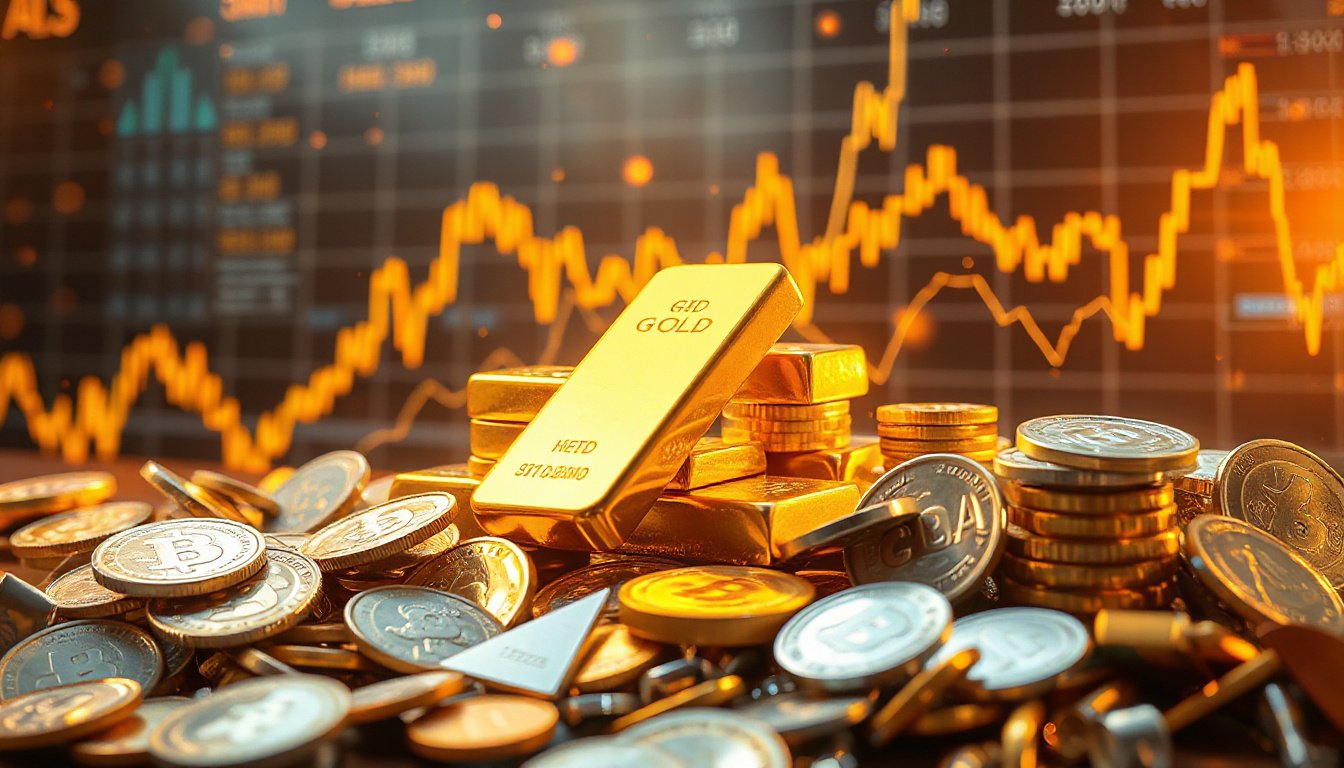
In recent days, gold and silver prices have swung hard. Investors watch these safe metals. The prices soared to new records and then fell fast before rising a bit. This move shows a new chapter in how old assets respond to global money risks, world events, and market moods.
A Year of Surging Prices
Gold and silver are safe stops when the economy wavers. In the past year, many sought these metals. From early 2025 when President Trump took charge until January 2026, gold nearly doubled while silver grew almost four times its past value.
Many news points drove this rise. Investors felt worried by Trump’s moves. He set tariffs, questioned the reserve bank, and made harsh foreign claims—claims like trying to claim Greenland. This made cash lose strength, so people turned to metals that hold their value without loan risks.
Economic fear has added more stress. High inflation and growing global debt shake traditional views of money. The United States holds a debt of $38 trillion, while some nations show even higher debt levels when seen with their GDP. In such times, gold—one that gives no interest and never makes promises—holds more appeal.
In some emerging markets, banks in charge of money bought more gold to mix their savings. China and Turkey led these moves, which pushed metal prices higher.
Record-Highs and Sudden Crashes
On Thursday, January 29, 2026, gold hit $5,595 per ounce and silver reached about $122 per ounce. Then, on Friday, prices fell fast. Gold dropped close to 10% while silver slipped near 28%. The fall spread into early days of the next week.
By Tuesday, small gains emerged. Gold rose around 3.5% and silver climbed nearly 4.5% from their lows. Yet both stayed below the top prices from just days before.
Parsing the Causes of Price Volatility
Experts give several reasons for the fall in price. Some link the drop to political news. One view connects the move to President Trump choosing Kevin Warsh—a known figure—to head the central bank. This choice helped calm fears of abrupt policy shifts after earlier calls to cut rates that clashed with inflation worries. Trump also spoke of easing talks with Iran, news that helped push the US dollar up, so fewer dollars flowed into metals.
Others point out that a strong move up in price needed a slow pullback. Mark Matthews, who runs research for Asia at Bank Julius Baer, said that high price levels led many to take profits, causing a natural pullback instead of a shift in the market’s base.
What’s Next for Precious Metals?
Predicting the path ahead proves hard. Still, a few expect that gold and silver will climb over the next years. A note from JP Morgan sees gold reaching near $6,300 per ounce by the end of 2026. Their hint comes from steady interest in metals as safe stops amid global risks.
Matthews also sees more buys when market fear calms. Two factors support his view: the ongoing drop in the US dollar and more gold buys by major banks. He thinks future price hikes will come in steadier jumps compared to the recent sharp peaks and falls.
The Bigger Picture
Gold and silver show a broader theme in our time. Even with new trends like digital coins, old safe stops hold true as money tools. The moves in metal prices remind market watchers how money, world events, and market mood tie together. Every small swing in price reflects many views on risk and gain, and it gives a peek at the current feel of global finance.