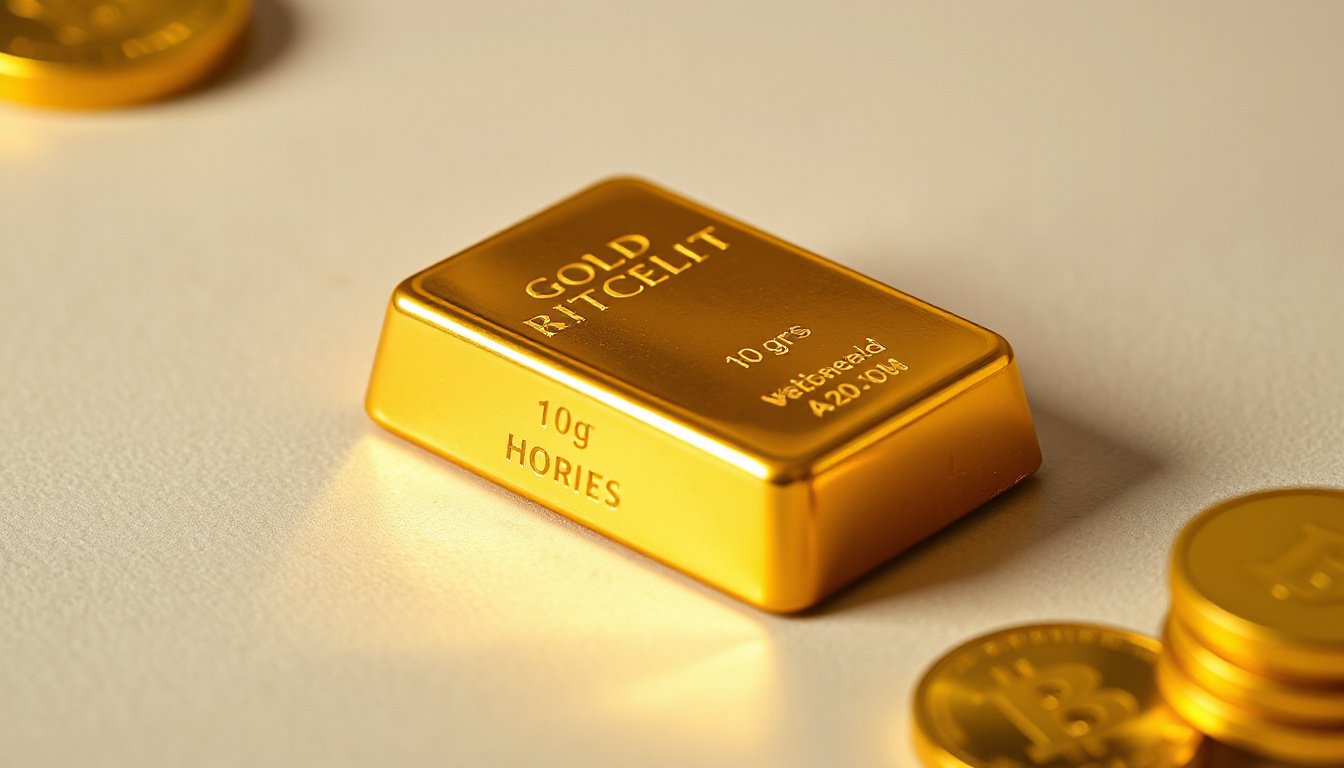
Gold Price Remains Steady as Digital and Physical Demand Persist: A Closer Look at the Indian Market on 16 February 2026
On 16 February 2026, gold prices in India show a calm phase after recent sharp moves. MCX gold futures trade near ₹1.57 lakh per 10 grams. The market holds steady as buyers choose both physical and digital gold. This view shows how old gold meets new tech in trading and investing in India.
Gold Prices in Indian Cities Show Steady Trends and Old Ties
In Delhi, 24K gold costs ₹15,789 per gram. It dropped by ₹1 compared to the day before. This small fall marks a pause after a swift rise last week. In Mumbai, Kolkata, Hyderabad, Bengaluru, and Kerala, 24K gold also sits at ₹15,789 per gram. In Chennai, buyers pay about ₹15,919 per gram because local traditions keep prices high.
Prices for 22K and 18K gold share a similar trend with 24K gold. In Mumbai and Delhi, 22K gold is priced around ₹14,474 per gram. In the same way, 18K gold goes for ₹11,845 per gram.
Gold Market in a Narrow Range: Technical and Basic Factors
In India, gold trades between ₹15,600 and ₹15,900 per gram over the last two weeks. This band shows that the market is pausing after recent moves. Early in February, gold fell to ₹15,332 and then reached ₹15,975 per gram in a short burst.
Experts watch US data, inflation figures, and Fed signals for hints on what comes next. Current technical signs show no clear push upward or downward.
Digital Gold and the Role of DeFi in Gold Investment
The digital gold market in India grows slowly. Online platforms and mobile apps help buyers invest. Apps such as Google Pay, PhonePe (through MMTC-PAMP), and Paytm let investors buy small parts of gold to build savings online.
Jar helps with small savings. OroPocket combines gold ownership with crypto rewards. This mix of tokenized assets and decentralized finance gives many people a way to buy gold. It reaches buyers beyond the usual bullion investors.
Jewellery brands such as Tanishq (with DigiGold), CaratLane, and Kalyan Jewellers now sell gold online. They mix real gold with the ease of internet purchases and home delivery. This blend of old assets with digital methods changes how buyers get clear prices and trade easily.
Silver Prices Differ from Gold
Gold keeps its price, but silver looks weak. MCX silver futures trade around ₹2.7 lakh per kilogram, a new low for 2026. This gap shows that gold stays strong while market conditions shift.
Market View: Next Steps for Gold Investors
Experts say that if gold climbs above ₹15,900, prices could hit ₹16,073 per gram. If it falls under ₹15,600, a retest of the monthly low may come. Gold stays popular as a guard against rising prices and as a way to mix a portfolio. Demand holds high during the wedding season, when many people buy gold.
Investors may use a step-by-step plan. Buying gold through ETFs or digital platforms allows spending little at a time. This plan fits the rise of digital assets that let buyers own small parts of real items and trade with ease.
A Wider View: Digital Tokens of Real Assets
Turning old assets digital is part of a larger change. Real estate, metals, and other goods now appear as digital tokens. Blockchain and decentralized systems support this change. They let many people own fractions and trade easily.
This change gives buyers clear price views and wider trade chances. For example, digital real estate lets a person own a share of a property without full management. Gold tokens, backed by real bullion, give a safe way to invest without usual storage tasks.
Conclusion
On 16 February 2026, gold prices in India stay steady. The market shows a link between old trading habits and new digital tools. Physical gold remains in demand in regions where culture matters. At the same time, more buyers choose digital gold. This shift changes how investors own the metal. Watching these trends gives hints on the future of investing in India and beyond.