Gold Climbs Past $5,000: Rand Strength Boosts Rate Cut Expectations in South Africa
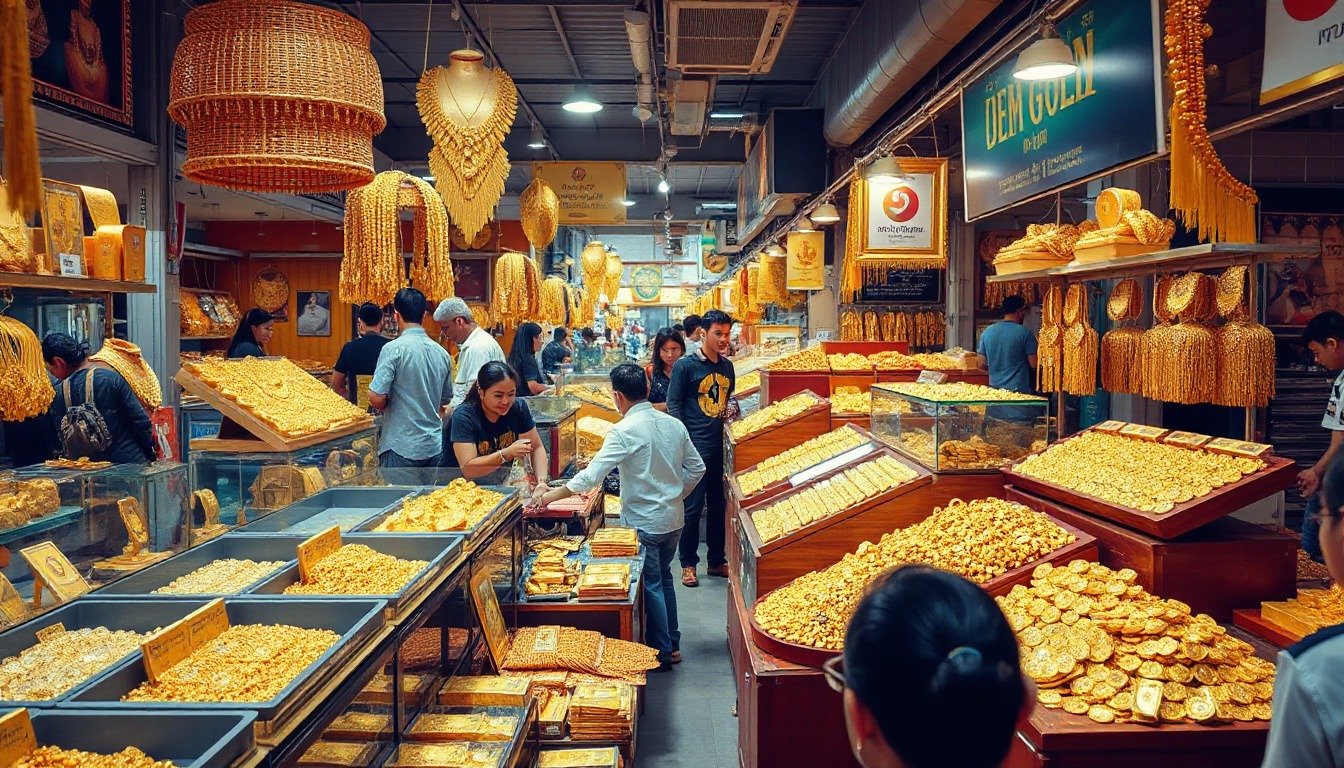
Gold jumped above $5,000 per ounce over the weekend. On Monday, gold reached $5,100. This move shows that gold gains attention when global events remain uncertain. At the same time, the South African rand neared a 16.0 level against the US dollar, its best since June 2022. Investors now expect South Africa’s Reserve Bank to cut rates at its meeting this week.
The Factors Behind Gold’s Rise
Gold prices climbed steadily in recent months. Gold passed the $3,000 and $4,000 marks in 2025 as political tensions and US policy challenges raised investor worries. A US government shutdown risk weakened the US dollar. Many chose gold as a safe asset. In South Africa, where gold is a key export, strong gold prices boost export income and support the local economy.
Effects on South Africa’s Monetary Policy
A strong rand and high gold prices now fuel ideas of lowering rates. The Monetary Policy Committee may cut the repo rate or adjust its tone during Thursday’s meeting. The chance of a 25 basis point cut has risen from 20% to about 44% this week. A cut would lower the repo rate to 6.50% and the prime rate to around 10.00%. This change could ease import costs and help domestic prices stay in check. The rand still meets resistance near 16.0 per dollar. A move beyond that point might boost the currency further, while failure to pass it may leave the market unsettled.
South African Mining Sector Reacts
South African mining companies feel these shifts strongly. On Monday, large firms like Harmony and Sibanye-Stillwater saw stock prices rise by over 2%. Shares of Gold Fields climbed nearly 5%. Such increases show that miners benefit from high gold prices. However, a stronger rand also means that costs in local money may rise, even if gold revenue in dollars grows. This factor could squeeze profit margins.
Looking Ahead
Rising gold and a firm rand set the stage for an eventful week in South Africa’s markets. Many now watch the Reserve Bank meeting, which will affect interest rates and investment flows. Global events, market trends, and local currency all join in shaping today’s financial scene. Market watchers must keep a close eye on these signals in this evolving climate.