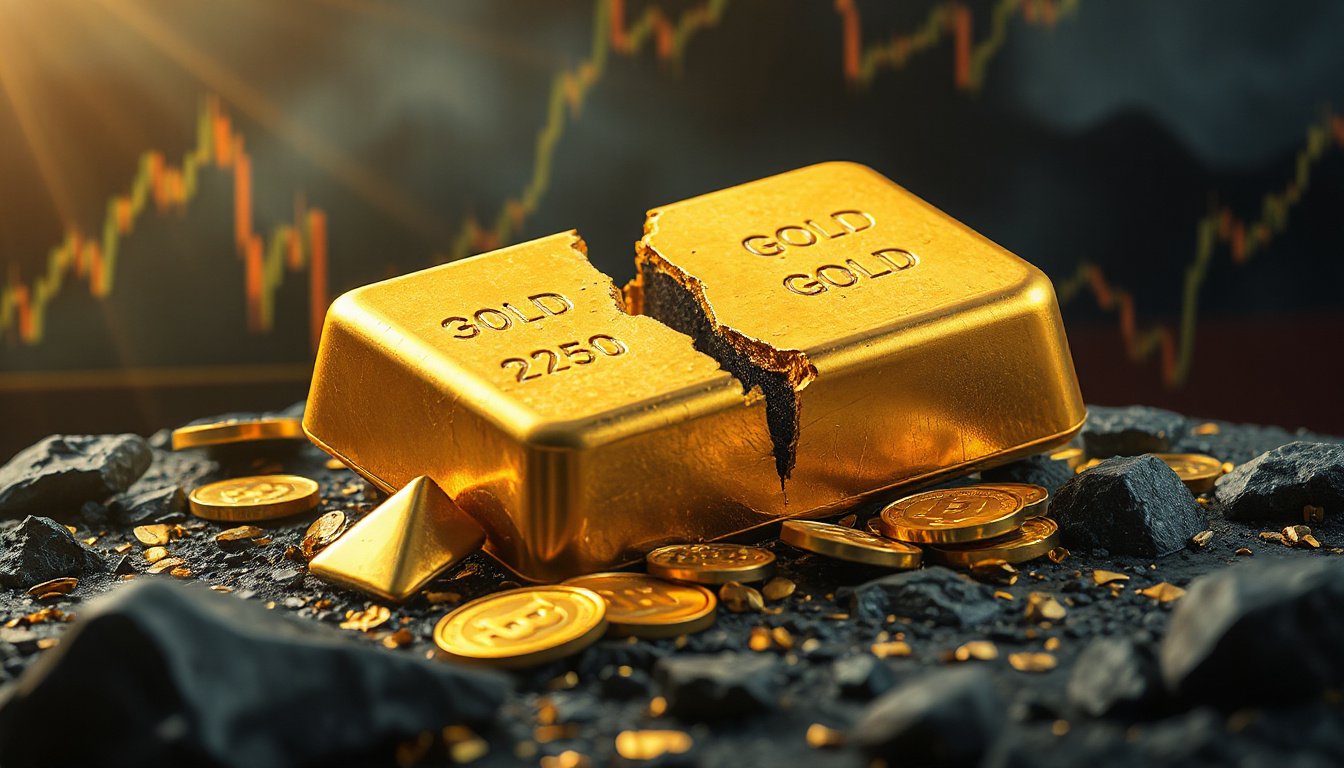
In the precious metals market, a sudden drop changed the scene. Experts call the fall of gold and silver a "bullion bloodbath." Gold lost nearly 9% in a single day—its worst loss in over 40 years. Silver dropped more than 26%, marking its sharpest decline ever. Palladium and copper also lost value, and the shift hit both precious and industrial metals.
The change came when President Trump named Kevin Warsh to replace Jerome Powell as head of the U.S. central bank. Warsh, known for favoring high rates and a small bank balance sheet, eased fears about too much government influence over monetary policy.
Earlier, worries about the close ties between the bank and the government had pushed investors to buy gold and silver as safe stops. When the new nominee took charge, the U.S. dollar grew stronger. This stronger dollar pulled investors away from the metals, and prices fell sharply.
Even with one dramatic day, gold rose about 12% and silver about 18% for the month overall. Early in January, global tensions and worries over U.S. finances spurred a rush to physical assets. That buying pushed metal prices near all-time highs.
Digital tools now change how assets work. More people watch how old assets like gold and property become digital. This change may break up large items into smaller parts on blockchain systems. Such shifts might give more investors a way to own a fraction of these assets.
The drop in metals shows a clear link between politics and market moods over monetary matters. Even after historic daily losses, both gold and silver recorded strong gains for the month. New digital methods may soon change how people buy and hold traditional assets.