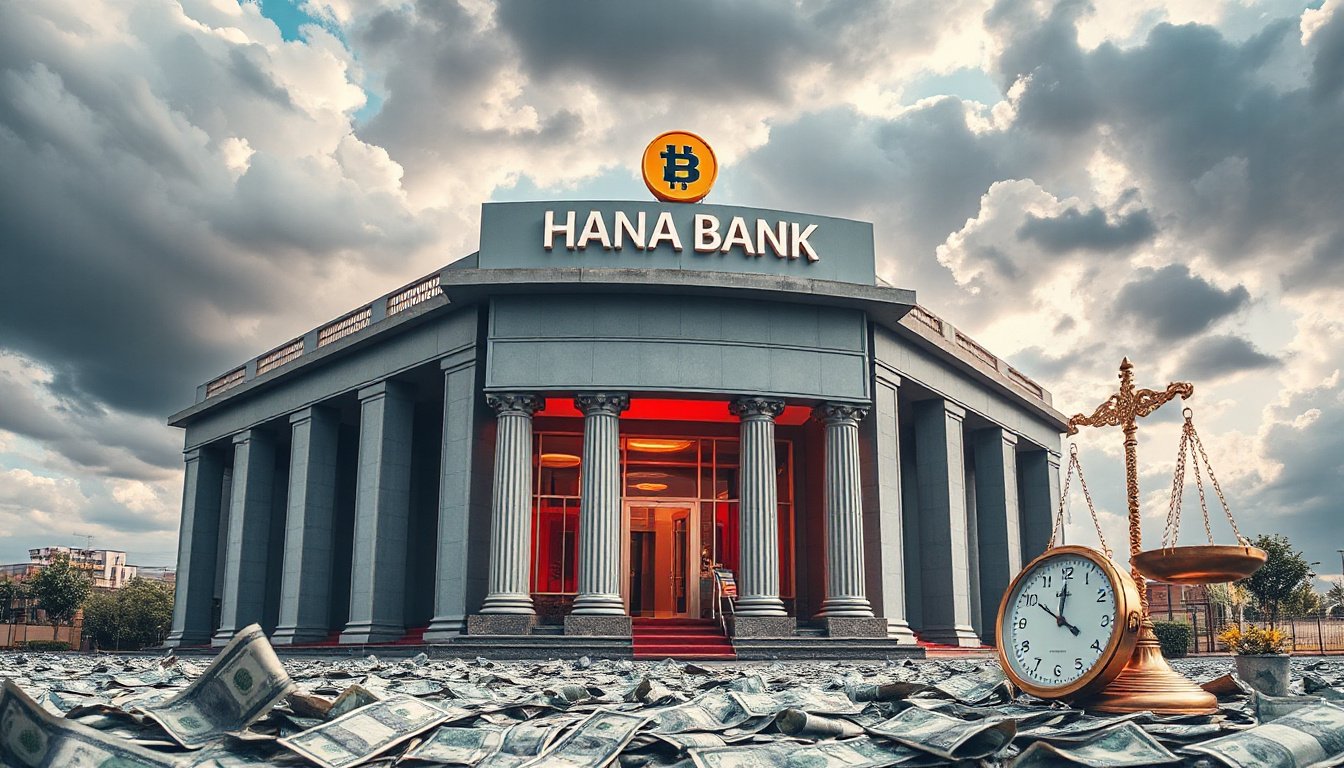
In finance, banks work with real world assets. They hold loans and other collateral to fuel growth while keeping within set rules. Hana Bank in South Korea shows how banks handle this task. The bank grows its corporate loans even as strict rules press on its capital levels.
Strong Capital Position Amid Growing Risk-Weighted Assets
By the third quarter of 2025, Hana Bank stayed strong with a 16.56% CET1 capital ratio. This rate beat that of its four rivals, none of which reached 16%. The bank saw its risk-weighted assets rise by 2.2% to nearly 205.9 trillion won. Corporate loans climbed 6.2% to about 172 trillion won, while loans for small and medium enterprises grew by 5.6%. These steps support a move toward loans that fuel the economy as set by government plans.
Proactive Risk and Foreign Exchange Management
The bank held its capital even as it raised loans. It cut its foreign currency loan book by 5.2% to limit harm from shifting exchange rates in the later part of 2025. This action comes from past ties with Korea Exchange Bank and mixes careful credit growth with a close watch on currency risks.
Regulatory Challenges and the Impact of Penalties
In January 2026, the Korea Fair Trade Commission fined four major banks a total of 2.72 trillion won for sharing loan data. Hana Bank paid 869 billion won. Under capital rules, the fine adds about seven times more risk over ten years, or about 6 trillion won extra in exposure. Extra fines for limited disclosures on Hong Kong equity-linked securities may add a similar risk. Since Hana Financial Group relies on the bank for nearly 79% of its assets, a drop in the bank’s capital ratio could lower group scores and investor gains. While Hana Bank shows a high CET1 ratio, the overall group ratio is 13.33%, which points to a risk in having most assets in one part of the company.
Legal Disputes and the Future Path
The banks are contesting the fines in court, and legal fights may last for years. Some rule makers may delay the risk effect of parts of the fines to keep bank loans growing. Hana Bank plans a careful shift in its loan mix to manage risk while tapping growth chances. The bank commits roughly 20 trillion won a year in new capital to keep pace with higher risk weights from more corporate loans.
Implications for Digital Tokenization and DeFi Contexts
Traditional banking trends also set a guide for new asset forms. As loans, real estate, and shares get put on blockchain platforms as digital tokens, risk and asset view change. Banks that show clear risk management lead the way in merging real assets into digital finance models. In the new finance markets, tokens bring shared ownership, more liquidity, and smart contracts to financial work.
Hana Bank stands as an example of keeping balance among growth, rules, and strong capital in changing times. The future may bring closer ties between classic finance and digital systems. This change may alter how assets are reached and risk is measured.
—
📝 About This Article
This article was generated by Hivebox AI in collaboration with nGRND.
—
⚠️ Disclaimer
This content is for informational purposes only and does not constitute financial or investment advice.
Please consult with a qualified financial advisor before making any decisions related to investments, markets, or assets.
—
Note on Accuracy & Liability
While we strive to provide accurate and up-to-date information, neither Hivebox AI nor nGRND guarantees completeness, reliability, or suitability.
Use this content at your own risk. Neither party assumes liability for any losses you may incur.
—
Thank you for reading.