Tokenized Real-World Assets: Institutions Embrace On-Chain Finance in 2026
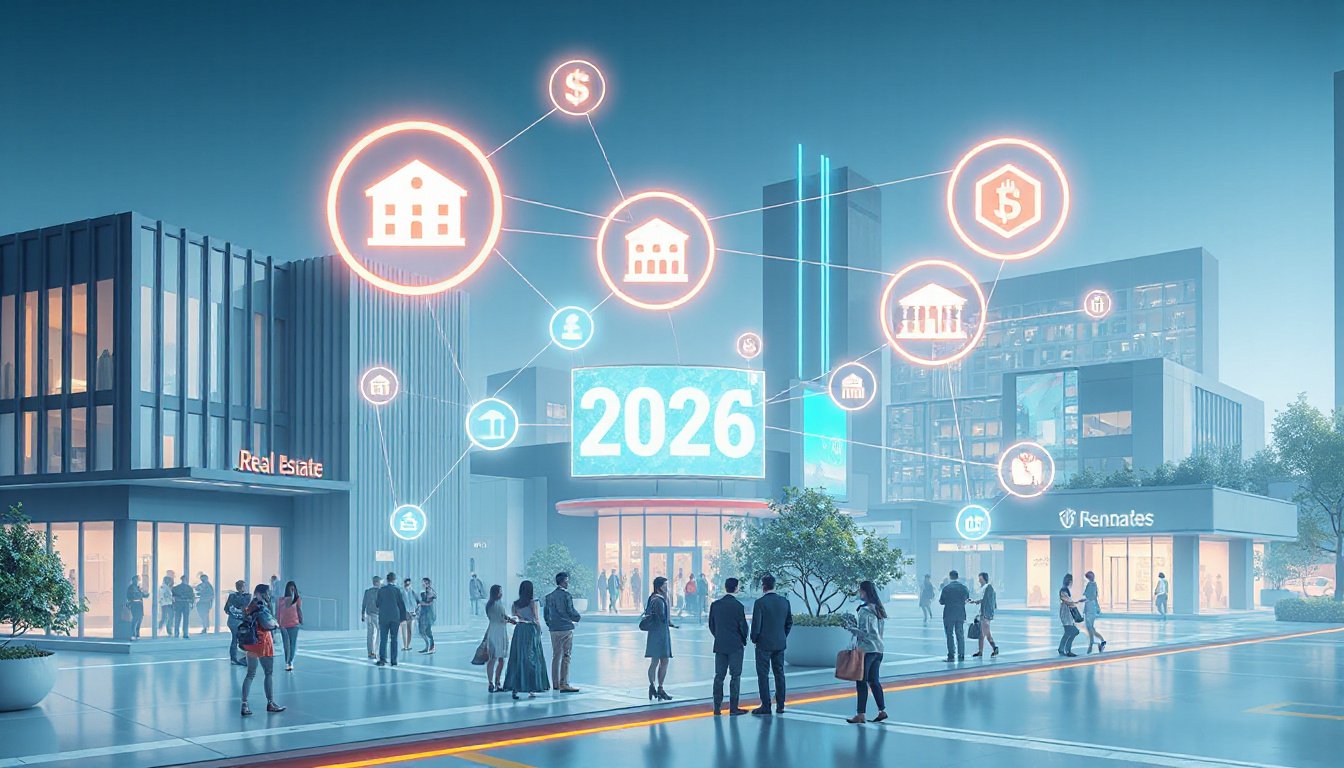
In 2026, finance shifts as institutions adopt on-chain systems. Institutions turn physical and financial goods into digital tokens. They issue, trade, and manage bonds, property, goods, and credit using blockchain. This change forms a core part of modern finance.
What Are Tokenized Real-World Assets?
Tokenized assets mark ownership by linking rights to digital tokens. Each token ties directly to a share or full claim on an asset. The blockchain holds a record that shows clear, direct links between tokens and their real-world source. The record stays separate from the physical asset while keeping trust in the system.
Key Categories of Tokenized Assets
Bonds and Fixed Income:
Institutions start with government and corporate bonds. Bonds use clear cash flows and set rules. Digitized bonds and short-term items, such as money market funds or repo deals, settle quickly. Asset managers see faster trade and clear data for investors.Real Estate:
Property often stays locked by high cost and slow deals. Turning property into tokens cuts barriers. It splits ownership into smaller parts and sends rental payments by smart rules. Investors may buy parts of commercial, storage, or home properties under clear rules.Commodities and Hard Assets:
Items like gold, carbon credits, and energy move onto digital ledgers. Each token stands for a claim on a measured, insured stock. Cross-border trade, checked data, and less paper work follow this setup. Companies in resource use and care see simpler tasks.
Why Are Institutions Moving On-Chain in 2026?
The shift stands on new rules, firm tech, and smart work methods:
Big Firms Lead:
Firms like BlackRock and JPMorgan show trust by crafting digital funds. BlackRock makes funds that settle with speed and clear rules. JPMorgan connects blockchain to cut risk and speed up deals.Clear Rules Form a Base:
Before, unclear rules slowed the move. Now rules in the US, EU, and Asia lay out steps for safe token use. Different areas set rules that cover licenses, securities, or investor checks. New rules help firms commit real value.Steady, Cost-Smart Blockchain:
Ethereum stands out with deep trade and proven smart contracts. Layer-2 chains such as Polygon keep costs low while staying secure. Some firms choose private chains inside the firm and public chains to get trade flow.
Benefits for Investors and Financial Institutions
Quick Trade:
Tokens of assets pass hands in minutes. New trading spots give more room to move assets fast.Part Ownership:
Tokenizing cuts the cost to start. Small sums let many join in high-value deals without complex rules.Clear Workflows:
Automated deal settlement and clear money streams cut cost and fix errors. Digital logs keep every step in one place.Open Records:
Data on the chain shows a current, clear record for buyers, rule keepers, and checkers. No more scattered, manual reports slow the process.
Challenges and Risks
Tokenized assets face their own tasks:
Market Flow Builds Over Time:
Trading depends on strong markets, makers, and clear methods to swap tokens. Firms pair token creation with early plans for trade flow.Holding and Safety:
Trust stays with strong hold methods that mix old-safe ways and new key rules. New hold services add separated accounts, insurance, and clear fixes for lost keys.Complex Rule Sets:
Different lands set their own license and market rules. This need makes it key to shape tokens that fit all legal steps.
RWAs in the Broader Crypto Ecosystem
Tokenized assets sit with crypto but do not replace coins. While many crypto buyers risk much for gains, tokens from real goods bring a steadier, clear way to invest. This move spreads blockchain use from risk trades to core finance.
Looking Ahead: The Future of Tokenized Assets
The road into 2026 shows a link of old and new:
- Digital funds may find a place in retirement funds.
- On-chain tokens might back everyday loans.
- Mixed models join banking with public chains.
- Legal rules around tokens will get more alike across lands.
These steps mark a quiet but deep change in how money works day by day.
Conclusion
Tokenizing real assets shifts finance toward simple work, open logs, and clear control. By joining blockchain tech with old goods, firms shape a future where common investments move fast and stay clear. This new step sets a fresh pace for finance in 2026 and in times to come.
—
📝 About This Article
This article was generated by Hivebox AI in collaboration with nGRND.
—
⚠️ Disclaimer
This content is for informational purposes only and does not constitute financial or investment advice.
Please consult with a qualified financial advisor before making any decisions related to investments, markets, or assets.
—
Note on Accuracy & Liability
While we strive to provide accurate and up-to-date information, neither Hivebox AI nor nGRND guarantees completeness, reliability, or suitability.
Use this content at your own risk. Neither party assumes liability for any losses you may incur.
—
Thank you for reading.