In recent years, tokenization and decentralized finance change how we buy assets. They bring items like gold and real estate into the digital world. Retailers such as Costco help investors get physical gold. Digital finance now shows new ways to own and trade these items.
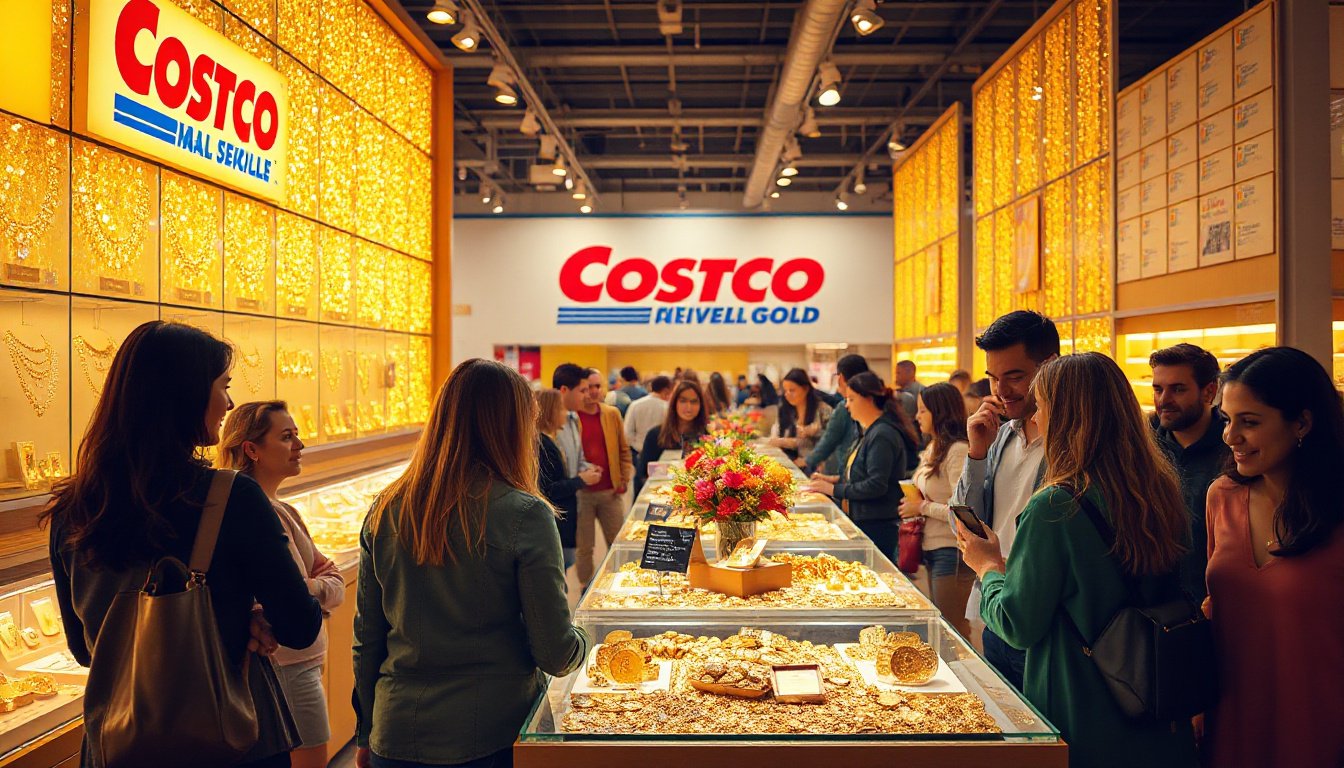
Costco sells 24-karat gold bars weighing 1 Troy-ounce. The gold comes from known firms in South Africa and Switzerland. You can buy the bars online or in select U.S. warehouses. They cost just 1–2% more than the current gold price. This small markup makes Costco a strong choice compared to many gold sellers. You need a Costco membership to buy gold. One option is a basic Gold Star membership costing $65 a year. An Executive membership costs $130 a year and gives a 2% annual rebate on all purchases, including gold bars.
This method of buying gold is simple in contrast with new digital models made through blockchain. Tokenization changes asset ownership into digital tokens. Investors can buy a token that stands for part of a gold bar or a share in a gold fund. This change lowers the cost to start and makes storage and transfers easier.
Decentralized finance platforms now add tokenized real estate assets. Investors can now join property markets without high costs or strict location rules. Smart contracts let users buy, sell, or use property shares as collateral with clear rules and fewer middlemen. This shift opens up property investments that once needed large sums and a lot of paperwork.
Many still choose to buy physical gold from trusted sellers like Costco, while tokenization introduces a new way for digital investing. The union of trusted physical sellers and blockchain platforms now changes how people invest in real estate, precious metals, and more. Investors may hold gold bars or agree with a digital plan based on secure, clear, and fast blockchain rules. This change shapes asset ownership and management in new ways for the future.