Tokenization of Real-World Assets: The Digital Transformation of Ownership
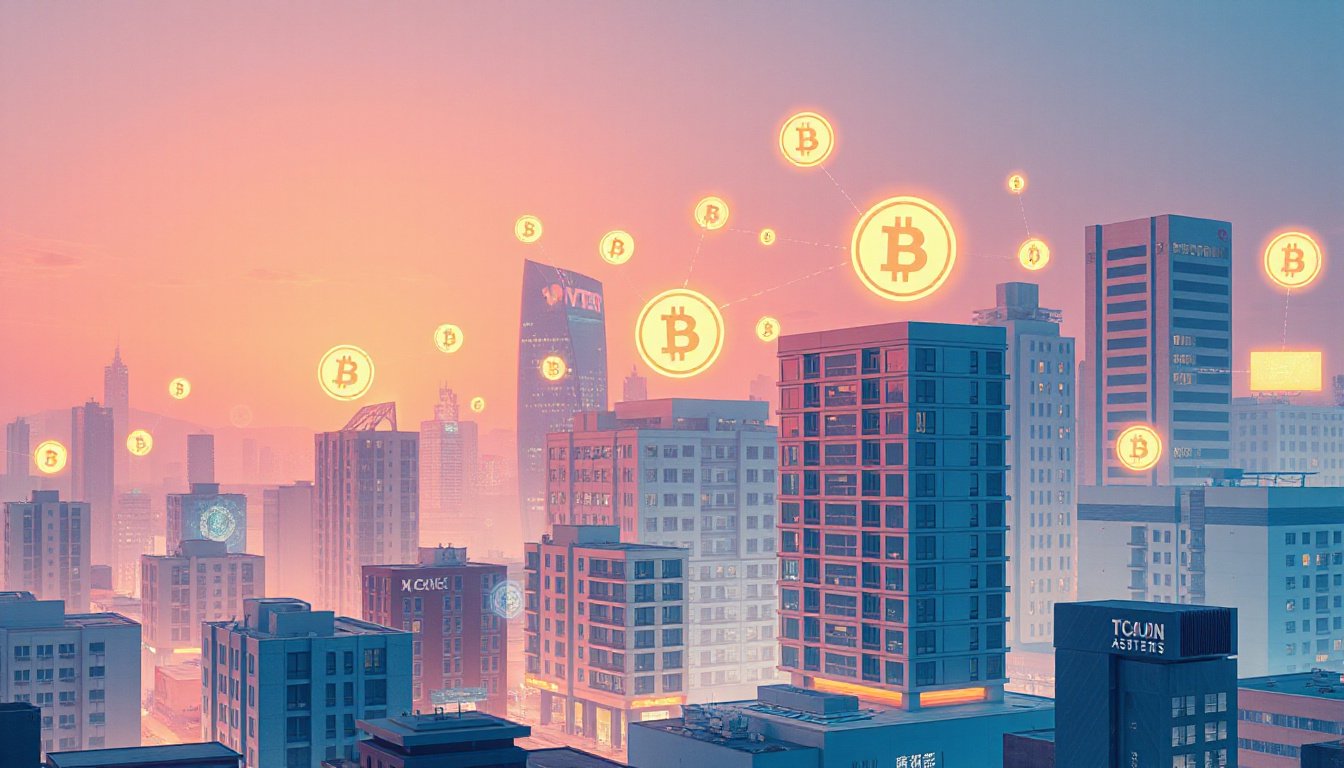
The world of finance and tech changes fast. Asset tokenization ties physical and digital rights in one small unit. This method turns rules of owning an asset into a digital token kept on a blockchain. The token shows a clear mark of owning or a claim on an asset. In contrast to some high-profile digital tokens seen before, this method works with normal assets such as property, goods, and rights.
Understanding Asset Tokenization
Asset tokenization means you turn real rights into a digital token. The token ties closely to the rules of ownership. Tokens can join into groups that share value or stand apart because they show one unique asset. The blockchain sits as a shared record that links each token to a clear, secure history.
Why Tokenize Assets?
Tokenization cuts out some old market faults. Here are key points that show its strength:
Fractional Ownership: One asset splits into several tokens. Many people can own a small piece of an asset like a building or an artwork. This method brings more buyers into the market.
Wider Access: People from many places can join in. They get a chance at deals that once needed a lot of money or were limited to a small group.
Stronger Flow of Trades: Assets that rarely change hands, like big properties or rare items, can move faster when traded online. This opens new ways to make trade deals quick.
Clear Ownership Records: The blockchain keeps all data in one shared list. This link cuts out many doubts and builds trust among those who join.
Cheaper, Faster Deals: With fewer middlemen like brokers, the token method cuts costs and shortens the wait for trades.
Automatic Rules and Payments: Code on the blockchain can run rules to send payments or check rules as needed. This step makes owning and trading simpler.
The Range of Tokenizable Assets
Any asset that has clear rights can join the token plan. Some cases include:
- Real Estate: Houses, offices, and land can change hands quickly when broken into tokens.
- Goods: Items from oil to gold or farm products may pass as tokens.
- Art and Collectibles: Paintings, sculptures, rare items, and digital images convert into tokens.
- Financial Items: Bonds, shares, and similar items can be made into tokens.
- Ideas and Rights: Money made from music, patents, or brands can sit in tokens.
- Luxury Items: High-end watches, fine jewelry, and rare cars may also be tokenized.
- Built Structures: Bridges, roads, and power plants can join in tokenization.
- Natural Goods: Farmland, water rights, timber, and minerals all have a role.
- Medical Spots and Tools: Ownership of a hospital or machine can turn smart with tokens.
A token can give the owner real rights or act much like stock funds when laws do not allow a full change of ownership.
The Process of Tokenizing an Asset
Turning an asset into tokens follows clear steps:
- Pick the asset that will change.
- Meet all the law rules.
- Choose a blockchain to hold the token.
- Build the token with code that shows its value.
- Check the asset’s market price.
- Use smart code to send and run tokens.
- Optionally, list tokens on a digital market for more trade.
Challenges and Risks
The method comes with work to be done:
Law Hurdles: Many land rules are still new about digital rights, and this gap makes the rules hard to set.
Rule Complexity: Different areas have their own rules, and these change fast.
Tech and Safety Issues: New code can hold weak spots. There is risk from theft or badly kept data.
Value Changes: Some tokens for assets hard to sell may change price in hard-to-see ways.
Mixing with Old Systems: Old money and law systems may not fit well with token rules.
Tax Questions: Unclear tax rules can mix up returns and reports.
Early Examples in Practice
Even now, tokenization shows clear signs of use:
- Real estate tokens let many own a part of a building.
- Tokens for goods like gold or farm produce soon change how trade works.
- Art tokens let many join in on owning rare works.
- Infrastructure tokens help many join big ventures.
Conclusion
Tokenization links traditional assets with new digital methods. This method brings more buyers, faster trades, and lower fees. It also uses smart code that ties ownership rules and payments into one plan. Yet, clear law, fast-changing rules, and tech hints mean that tokenization must work hard to gain full trust. For those who watch money and tech join, asset tokenization shows a small look at how owning and trading may shift in our digital time.
—
📝 About This Article
This article was generated by Hivebox AI in collaboration with nGRND.
—
⚠️ Disclaimer
This content is for informational purposes only and does not constitute financial or investment advice.
Please consult with a qualified financial advisor before making any decisions related to investments, markets, or assets.
—
Note on Accuracy & Liability
While we strive to provide accurate and up-to-date information, neither Hivebox AI nor nGRND guarantees completeness, reliability, or suitability.
Use this content at your own risk. Neither party assumes liability for any losses you may incur.
—
Thank you for reading.