Real-World Assets Go On-Chain: Understanding the Tokenization Revolution
Blockchain grows fast. Real assets, like houses or bonds, now join digital tokens. Physical value meets digital speed. Tokens link true ownership with smart rules. This link builds clear paths from old systems to new ways of trade.
What Are Real-World Assets?
Real assets live outside the blockchain but hold real worth. They differ from coins that belong only to the digital world. Heavier value roots here come from things you can touch or funds that show trust. Examples include:
• Houses and offices
• Government or company loans
• Gold, oil, and farm goods
• Bills and debts in trade finance
• Stakes in private firms
• Carbon credits and green certificates
• Rights for art and ideas
These assets used to be hard to buy or sell. They passed through many hands and slow deals. Tokenizing them turns old methods to clear, quick steps.
The Act of Bringing Assets On-Chain
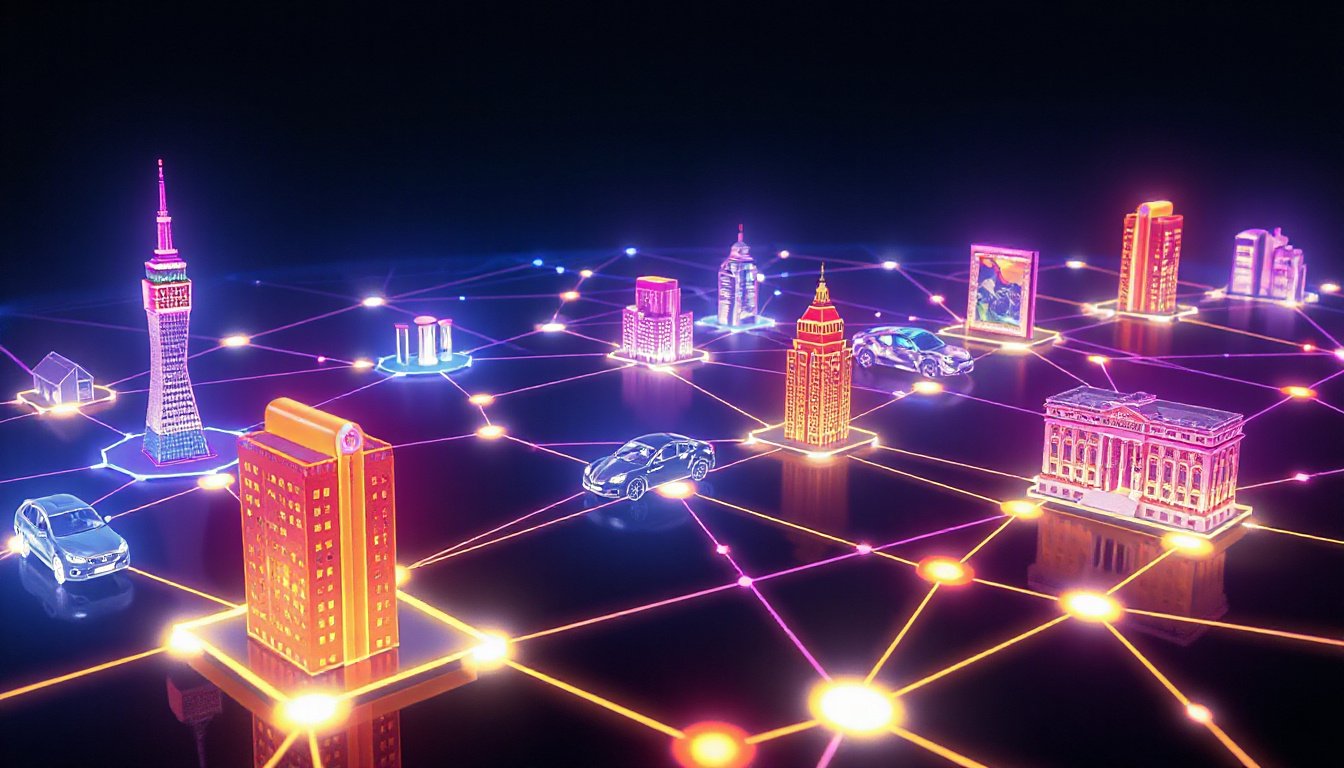
Moving real assets on-chain means you make a token reflect a real thing. The token holds rights or shares linked to the asset. The asset stays off the chain, but the token shows legal ties and funds. This close link helps split shares, auto-check rules, and set up quick trades.
Why Tokenize Real-World Assets?
Some reasons for tokenizing are plain to see:
• Tokens can split a large asset into small shares, giving more people a stake.
• Fewer go-betweens cut costs and speed up deals.
• Token records live on the chain, which builds a clear record of trade.
• Written rules in tokens check who can buy or sell, and when.
• Tokens can open the door for buyers from many lands.
How Does Asset Tokenization Work? A Step-By-Step Overview
Asset Pick and Check
A chosen asset must be steady and clear on who owns it. Its value and history are first checked.Appraisal
An outside check sets the right value with tests and market facts.Legal Setup
The token now shows rights tied to a legal form. A legal box, like a trust, holds the asset while the token shows the claim.Following Laws
The token must meet money and trade laws. It must also meet checks that show who may join.Token Build and Smart Code
Developers write tokens with set rules. The smart code handles sales, special claims, and more without human checks.Safe Storage Off-Chain
Since the asset stays off-line, a safe keeper must guard it. Rules for care, service, or firm checks keep it sound.Data Bridge
A service, called an oracle, brings real-world facts to the chain. It feeds the token system with the asset’s current facts.Token Start and Share
Tokens then begin sale, set legally, and find new hands. Buyers now trade or hold these tokens on approved sites.
The Road Ahead
Blockchain and laws change fast. Soon, more tokens may show chains of old assets. More buyers can get a share in things that once stayed closed or slow. Clear rules and safe checks still wait to be set up. Yet, token skills can bring vast change for trade and new money paths.
The token path ties the old world of real value close to a new world of digital rules. This tie may form a solid base for tomorrow’s deals and trade routes.
—
📝 About This Article
This article was generated by Hivebox AI in collaboration with nGRND.
—
⚠️ Disclaimer
This content is for informational purposes only and does not constitute financial or investment advice.
Please consult with a qualified financial advisor before making any decisions related to investments, markets, or assets.
—
Note on Accuracy & Liability
While we strive to provide accurate and up-to-date information, neither Hivebox AI nor nGRND guarantees completeness, reliability, or suitability.
Use this content at your own risk. Neither party assumes liability for any losses you may incur.
—
Thank you for reading.