As blockchain technology grows, global finance faces real change. People now use tokens to show claims on assets. We see this shift in bonds, real estate, and private market deals. Blockchain keeps records clear and fast. This text explains what tokenization means, its gains, and its work in many markets.
Understanding Real-World Asset Tokenization
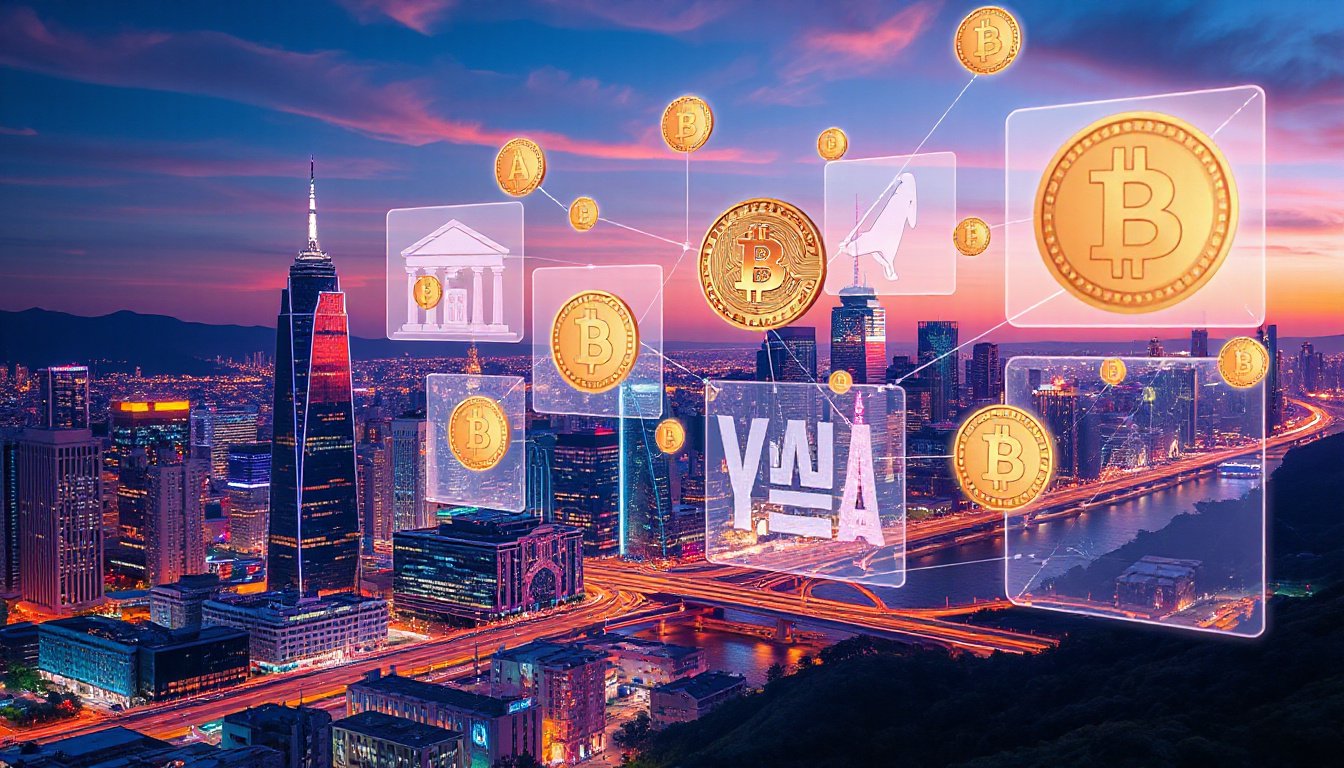
Tokenization turns physical and financial assets into digital tokens. Each token shows ownership or a share in an asset. These tokens record their truth on a secure ledger where smart rules work to keep them safe. Unlike Bitcoin and other pure digital forms, these tokens stand for assets that exist in the real world. In the old system, banks and agents kept records apart. Now, all key details come together on one ledger that shows each ownership change clearly and fast.
Types of Tokenized Real-World Assets
The range of assets now in token form is wide:
Financial Instruments: Governments, companies, and funds issue tokens that stand for bonds, treasury bills, or corporate debt. These tokens cut waiting times, help keep rules, and show clear data for those who invest.
Physical Assets: Items like real estate, gold, and other goods turn into tokens. A token stands for a small share of an item that exists off the blockchain. This small share lets many people own a part and trade it in markets that once served only a few.
Private Market Assets: Instruments such as private credit, invoices, and fund units now come as tokens. In the past, these assets traded with big limits and strict rules. With tokenization, they become easier to issue and track, and more investors may join in.
Why Are Traditional Assets Moving On-Chain?
Old systems work well but have delays. They wait days for trades, use many middlemen, and require much paperwork. Tokenization cuts these steps by:
• Settling tokens in minutes, which cuts risks in long trade delays.
• Using smart contracts that work by themselves, reducing manual work.
• Recording each token move on the blockchain so every change appears clearly.
• Enforcing on-chain rules that check if a trader meets the needed standards.
• Allowing assets to trade at all hours and for people in many lands.
The Benefits of RWA Tokenization
One clear gain is that tokenization gives access to high-value assets in small parts. This means investors can buy little pieces of expensive items like office buildings or bonds. With tokens, trade happens faster in secondary markets, which helps buyers and sellers find fair prices. Cutting manual processes also may bring lower fees for those who invest. Tokens can even work with blockchain finance apps to let users use them as on-chain collateral or to earn returns with clear rules that protect their funds.
Regional Developments in RWA Tokenization
• India: In GIFT City, supervised by the IFSCA, banks and tech firms now test tokenized bonds and funds. Projects here work on creating and clearing tokens while keeping strict rules.
• Europe: The EU backs tokenization with MiCA rules and a pilot system for distributed ledgers. Big banks such as Siemens and Société Générale issue tokens while regulators watch over their work. This system gives many firms room to use tokens safely.
• United States: In the U.S., large firms like BlackRock and Franklin Templeton now work with tokenized funds on money markets and government products. JPMorgan uses a platform that holds tokens as collateral. These moves mix old finance and blockchain-based systems.
Regulatory Landscape
Regulators now guide token use around the world. In Europe, ESMA and MiCA help keep tokens under control. The UK runs its own checks. In the U.S., the SEC applies well-known rules to tokens while watching investor protection. In India, the IFSCA runs token projects in a set area. All the rules help tokenized assets meet current laws and keep markets safe.
Conclusion
Tokenization connects real-world assets with blockchain speed and truth. This work may open new roads for investors, cut extra steps, and bring fresh ways to trade. As many regions build better systems and clear rules, tokenization is set to join old finance with new plans. Market reports even predict this token work could grow to near USD 18.8 billion by 2032, pointing to a future where old and new finance share a clear list of steps and rules.
—
📝 About This Article
This article was generated by Hivebox AI in collaboration with AuCan Gold.
—
⚠️ Disclaimer
This content is for informational purposes only and does not constitute financial or investment advice.
Please consult with a qualified financial advisor before making any decisions related to investments, markets, or assets.
—
Note on Accuracy & Liability
While we strive to provide accurate and up-to-date information, neither Hivebox AI nor AuCan Gold guarantees completeness, reliability, or suitability.
Use this content at your own risk. Neither party assumes liability for any losses you may incur.
—
Thank you for reading.