Real World Assets and Tokenization: A Digital Transformation Overview
What Is Asset Tokenization in Real World Assets (RWA)?
Asset tokenization turns ownership rights into digital tokens on a blockchain. Each token links directly to a share of a physical or digital asset.
• Tokens can work as identical units or as one-off markers.
• A token may represent a small part of a big asset.
• Many types of assets count, such as property, metals, stocks, ideas, or public works.
Pros and Cons of Tokenizing Assets in DeFi and Traditional Markets
Pros of Tokenizing Assets
• Small funds can acquire a share of a large asset.
• More people around the world may buy tokens.
• Token shares can change hands quickly.
• The blockchain keeps clear, unaltered records.
• Tokens may cut out many middle steps in a trade, saving time and cost.
• Token shares add variety to a portfolio.
• Smart contracts make rules and payouts automatic.
Cons and Risks in Tokenizing RWA
• Laws may not yet see tokens as true ownership.
• Rules around tokens may change, causing worry for buyers.
• New tech is hard for those not used to blockchains.
• Token prices can jump, raising risk for rare items.
• It can be hard to set the right value for token shares.
• Taxes and safe storage of tokens raise extra questions.
• Current banks and systems may not work well with tokens.
• Weak spots in code or blockchain may let hackers in.
Examples of Tokenized Real World Assets in Practice
Several assets already connect to tokens:
• Property: Homes, offices, and lands.
• Commodities: Gold, oil, and farm goods.
• Money tools: Bonds, shares, and insurance.
• Creative works: Music rights and patents.
• Public tools: Roads, power projects, and phone networks.
• Rare items: Watches, art, old cars, and fine wines.
Tokens may grant full rights, or they may work like digital mirrors that track price trends. Mirror tokens act like a fund and track the asset’s price where direct ties may be hard.
How Asset Tokenization Links with DeFi and Institutional Use
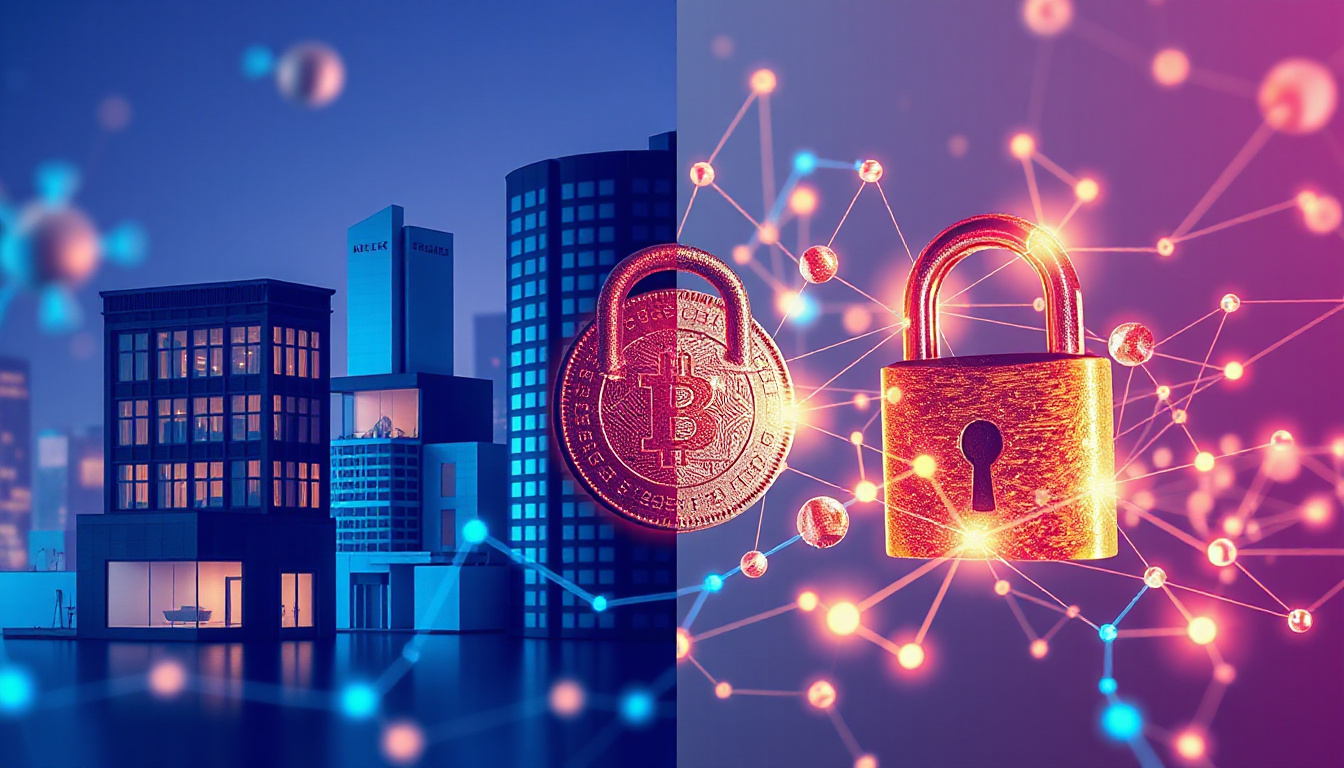
Blockchain and smart contracts bring these tokens to both old and new finance. Digital tokens mix asset ownership with smart rules and clear trade steps. Wide use by banks and companies waits on clear rules and stronger digital markets. New rules must mark tokens as true rights and shape these digital tools.
Summary: The Ongoing Digital Shift in Real World Assets
Tokenization shifts the record of who owns what. Tokens give small shares, spread choice to buyers, speed up trades, and keep clear records through code.
Yet, questions on law, tech skills, asset value, and market swings persist.
Real world assets—from property and goods to public projects—show early token use. This shift changes markets by tying old finance to a new digital way.
—
📝 About This Article
This article was generated by Hivebox AI in collaboration with nGRND.
—
⚠️ Disclaimer
This content is for informational purposes only and does not constitute financial or investment advice.
Please consult with a qualified financial advisor before making any decisions related to investments, markets, or assets.
—
Note on Accuracy & Liability
While we strive to provide accurate and up-to-date information, neither Hivebox AI nor nGRND guarantees completeness, reliability, or suitability.
Use this content at your own risk. Neither party assumes liability for any losses you may incur.
—
Thank you for reading.