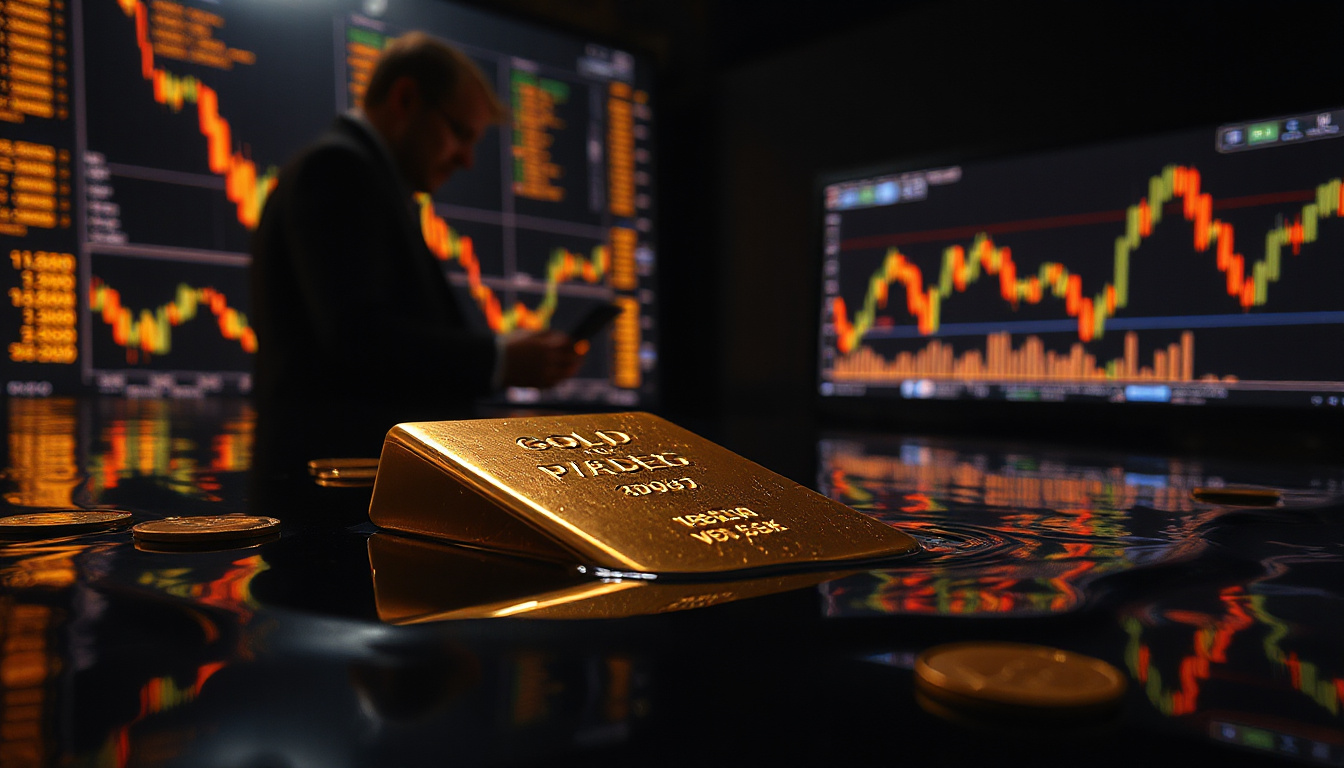
Gold Pulls Back as Inflation Pressure Reprices the Fed Path
This past week, gold prices came under pressure amid renewed inflation concerns and market repricing of the Federal Reserve’s interest rate path. Spot gold drifted lower by over 2%, ending near $4,227 per ounce, weighed down by strong US inflation data and shifting geopolitical dynamics that influenced investor sentiment and safe-haven demand.
Inflation Data Highlights Fed Policy Risks
The key market driver was the May consumer price index (CPI) report showing annual inflation at 4.2%, the highest year-over-year rise since 2023, largely fueled by rising energy costs. While persistent inflation typically supports gold’s appeal as an inflation hedge, this print reinforced expectations that the Fed is unlikely to ease monetary policy soon. Instead, traders now anticipate the Fed will maintain or possibly tighten rates, increasing the opportunity cost of holding non-yielding gold bullion.
Fed Chair Transition and Market Positioning
With the Federal Open Market Committee (FOMC) meeting scheduled for next Wednesday—the first under new Chair Kevin Warsh—markets have limited official guidance, heightening sensitivity to economic data. Given resilient labor market figures and sticky inflation, investors appear to price in a cautious Fed stance rather than an immediate dovish pivot, keeping gold prices on course for short-term weakness.
Geopolitical Factors and Safe-Haven Demand
Geopolitical tensions around the US-Iran ceasefire and cancellation of planned strikes created a complicated backdrop. Early easing of Middle East risk led to reduced safe-haven demand and lower crude oil prices, which also softened inflation pressures that drive Fed hawkishness. While this eased some pressure on gold late in the week, the loss of geopolitical risk premiums weighed on prices overall, illustrating the complex interplay between geopolitical factors, inflation, and central bank policy in the gold market.
Divergence in Precious Metals and Currency Impact
Silver showed more resilience than gold, climbing modestly to near $68.72 per ounce, supported by a slightly softer US dollar and firm industrial demand. Meanwhile, platinum prices declined nearly 3%, and palladium surged over 7%, reflecting relative-value shifts within precious metals amid mixed macroeconomic cues. The US dollar’s late-week weakness gave some relief to metals but was insufficient to offset the dominant inflation-driven repricing of Federal Reserve policy.
Key Details:
- Spot gold fell about 2.4% on the week, closing near $4,227/oz.
- May CPI inflation rose to 4.2% annually, fueling Fed rate uncertainty.
- Fed Chair Kevin Warsh’s first FOMC meeting is next Wednesday.
- US-Iran ceasefire and canceled strikes reduced geopolitical risk premiums.
- Silver rose modestly, trading near $68.72/oz, showing outperformance.
- Platinum dropped nearly 3%, palladium gained over 7%.
- US dollar softened late in the week amid easing Treasury yields and risk appetite.
Why It Matters
Gold price movements this week highlight the intricate balance between inflation expectations, Federal Reserve policy outlook, and geopolitical risks. Persistent inflation supports gold’s long-term value proposition as a hedge but puts downward pressure on spot prices when it stokes Fed tightening fears. Geopolitical developments influence safe-haven demand and energy prices, which in turn affect inflation and central bank decisions. Understanding these dynamics is essential for interpreting shifts in the gold market and broader precious metals and commodities.
Conclusion
The gold market faced downward pressure this week as sticky inflation data prompted traders to dial back expectations for Fed rate cuts, overshadowing easing geopolitical risks that briefly supported prices. With the upcoming FOMC meeting under new Federal Reserve leadership, investors will continue to weigh inflation persistence against labor market strength and geopolitical uncertainties, keeping the gold price environment volatile and sensitive to Fed signals and broader macroeconomic trends.
—
📝 About This Article
This article was generated by Hivebox AI in collaboration with nGRND.
—
⚠️ Disclaimer
This content is for informational purposes only and does not constitute financial or investment advice.
Please consult with a qualified financial advisor before making any decisions related to investments, markets, or assets.