Real World Assets Tokenization: Congress Accepts Change but Law Lags
Bipartisan Agreement on Tokenization of Real World Assets (RWA)
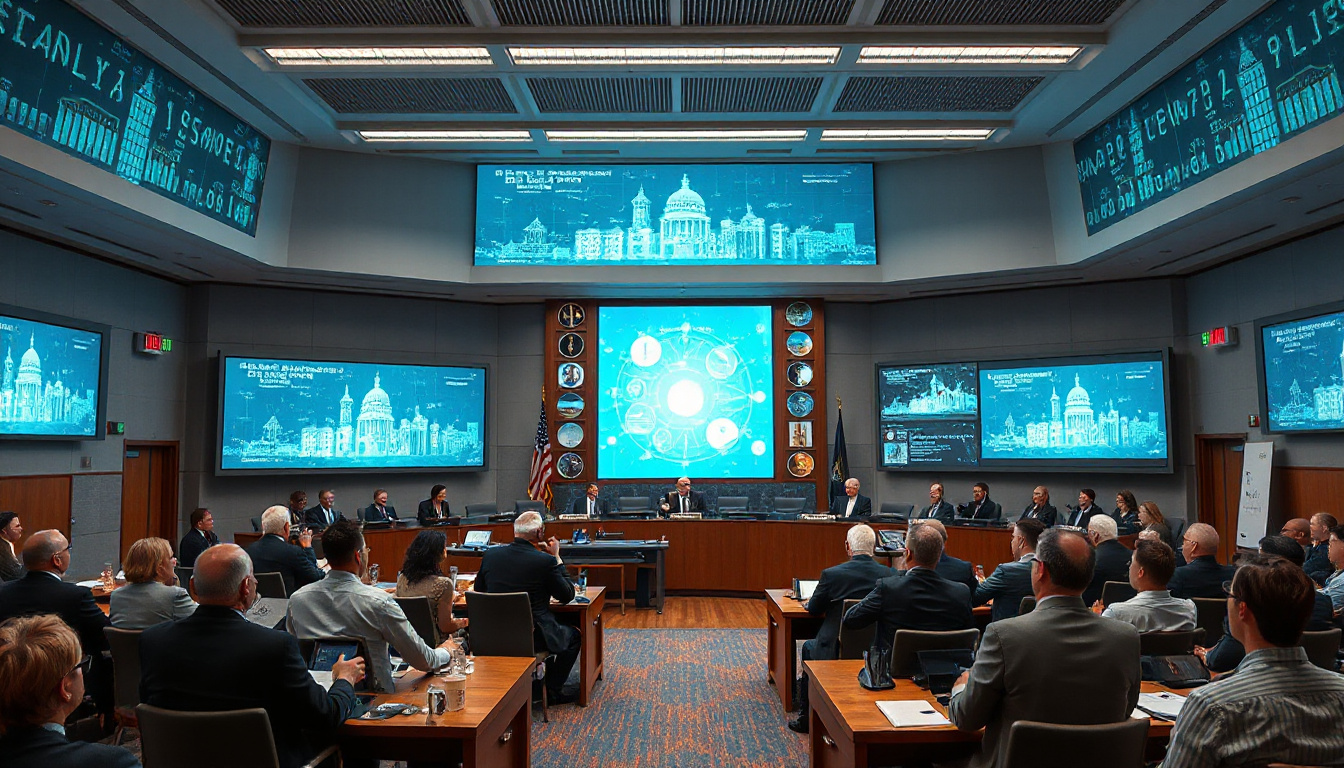
On March 25, 2026, the House Financial Services Committee met. Lawmakers listened and spoke. They saw tokenization as a coming shift. Both sides shared their view: tokenized securities must come soon. They stressed that the law must adjust fast.
On-Chain Real World Assets Market Today
Data from rwa.xyz showed that the on-chain market held about $26.58 billion. The market grew by roughly 5.58% in the past month. This market turns common items such as bonds into digital forms. Banks and firms now work hard to set up this space.
Views on Law and Setup for Tokenization
Speakers from the market gave clear views:
• Kenneth Bentsen Jr., head of SIFMA, spoke for those who work with tokens.
• Summer Mersinger, head of the Blockchain Association, said that digital tokens act like regular securities. She stressed the need to keep the law in line with digital facts.
• John Zecca (Nasdaq), Christian Sabella (DTCC), and Salman Banaei (Kimber Labs) spoke on system work, legal gaps, and setup faults.
Mersinger noted that the United States feels pressure from regions like Hong Kong, Singapore, and the EU. These areas test token rules and set steps that other nations watch.
Law and Rule Hurdles
The meeting showed several law and rule gaps that slow tokenization:
• A 1982 tax law stops tokenized bonds on open blockchains. The law treats direct transfers as if they were bearer bonds and adds high taxes.
• Banking limits increase costs. Banks face a 1,250% risk weight when using open chains. This rule stops banks from joining.
• New rules for stablecoins are still in work. This state leaves token settlements unsure.
• Price gaps and slow fund moves split the market. These splits cut growth.
• Few tokenized assets give holders a return. This fact keeps many firms away.
Thus, growth remains slow even if token markets claim near 80% yearly gain.
The Howey Test and Its Problems
One hard part is the old Howey Test. Today, tokenized items act as both securities and ways to pay. For example, tokenized Treasury bonds settle fast on blockchains and mix with digital finance protocols. Old tests do not fit these new ways.
The CLARITY Act in Law
The Senate Banking Committee plans to mark up the CLARITY Act in April. The bill will clear up which law group handles tokens. It will decide if the SEC or the CFTC should watch tokens. The plan aims to register tokens correctly, shield buyers, and solve rule faults.
Testimony backed changes. The speakers asked the SEC to change old rules to suit digital tokens. They kept old law ideas while adding needed updates.
Political Points and Rule Time
The meeting flagged political faults too. Lawmakers mentioned secret wallet owners, rules on identity checks, and risks of market swings. Some Democrats brought up ties with the Trump family to warn about mixed support. They said clean rule points must win trust.
Passing the CLARITY Act will need 60 Senate votes. The mix of politics and technical faults will decide how fast token law moves ahead.
Summary
Congress sees real change with tokenized real world assets. The market grows, yet tax rules, unclear rules, and system splits slow progress. The CLARITY Act may bridge old laws and new digital work. U.S. rule makers must work together and update their rules to balance new tech, buyer care, and steady markets.
—
📝 About This Article
This article was generated by Hivebox AI in collaboration with nGRND.
—
⚠️ Disclaimer
This content is for informational purposes only and does not constitute financial or investment advice.
Please consult with a qualified financial advisor before making any decisions related to investments, markets, or assets.
—
Note on Accuracy & Liability
While we strive to provide accurate and up-to-date information, neither Hivebox AI nor nGRND guarantees completeness, reliability, or suitability.
Use this content at your own risk. Neither party assumes liability for any losses you may incur.
—
Thank you for reading.