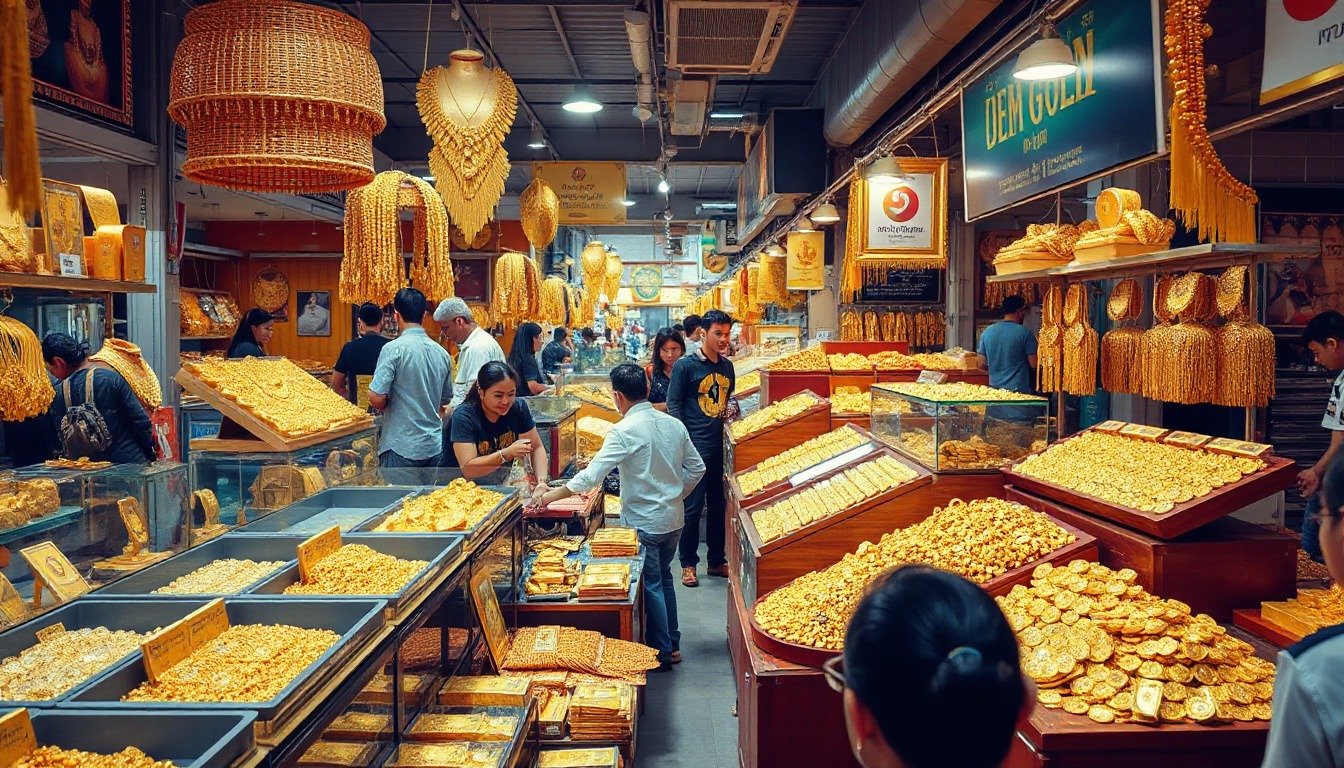
Precious Metals Markets Under Scrutiny for Long-Standing Manipulation Claims
Recent analysis highlights persistent concerns over manipulation in precious metals markets, including gold and silver. Historical and contemporary insights suggest that coordinated efforts by central banks and financial institutions may have influenced price dynamics, raising questions about the integrity of these crucial commodity markets.
Historical Context of Commodity Market Cartels
Cartels, defined as agreements among market players to fix prices and control supply, have long existed in commodities like oil, copper, and various metals. One notable example was the international copper cartel "Copper Exporters Incorporated" in the early 20th century, which controlled most copper production in capitalist countries before collapsing during the Great Depression. These precedents suggest the possibility that similar structures might have existed or continue to operate within precious metals sectors such as gold and silver.
Allegations of a Gold Cartel and Central Bank Involvement
The notion of a gold cartel was brought to prominence by the Gold Anti-Trust Action Committee (GATA), established in 1999 to investigate suspected collusion in gold pricing. GATA’s research points to involvement by major players including the US Treasury, the Federal Reserve Bank of New York, the Bank of England, and leading investment banks like Goldman Sachs. This alleged cartel purportedly aims to keep gold prices artificially low to preserve the dominance of the US dollar as the global reserve currency following the abandonment of the gold-dollar standard in 1976. Central banks have purportedly played a key role in this dynamic through gold lending practices. A now-removed IMF report from 2012 cited that over 80 central banks had lent about 15% of official gold reserves to the market in 1999. While gold lending can add liquidity, it also exerts downward pressure on spot gold prices, particularly when combined with gold derivatives activity. Central banks such as the German Bundesbank, Swiss National Bank, and Bank of England were active participants in these practices.
Silver Market Manipulation Claims and Production Concentration
Similar suspicions exist regarding silver markets. With global silver production led by Mexico (approximately 25% of total output) and significant contributions from Latin American countries, some observers speculate about the existence of a silver cartel. Mexico’s dominant role is likened to Saudi Arabia’s in oil markets via OPEC. Yet, definitive proof of a structured cartel remains absent. Historical references, such as Ted Butler’s 2000 analysis of the COMEX Silver Cartel, nonetheless suggest ongoing price suppression through market manipulations.
Implications for the Gold Market and Investors
These claims of manipulation intersect deeply with factors that drive gold price movements: central bank policies, currency strength, and macroeconomic conditions including inflation and interest rates. If gold prices are indeed influenced by coordinated interventions rather than solely supply-demand fundamentals, it affects not only bullion investors but also the broader financial markets where gold is considered a safe-haven asset.
Key Details
- Cartels have historically influenced commodity markets like copper and may exist in precious metals.
- The Gold Anti-Trust Action Committee (GATA) alleges a gold cartel including US and UK central banks and major banks.
- Central banks have lent significant portions of gold reserves to markets, potentially suppressing prices.
- Silver production is heavily concentrated, with speculated cartel-like coordination led by Mexico, but evidence is inconclusive.
- These manipulation claims impact the understanding of gold price behavior and safe-haven demand.
Why It Matters
Understanding potential manipulation in gold and silver markets is essential for investors and policymakers because it challenges the transparency and fairness of pricing in key commodities. Gold bullion remains a fundamental asset linked to inflation hedging, currency valuation, and geopolitical risk. If prices are influenced by artificial controls, investment strategies and economic interpretations based on market prices may need reevaluation. Moreover, such practices could distort the signals that prices send to mining companies and consumers alike.
Conclusion
While concrete evidence of ongoing cartel activity in gold and silver markets is elusive and often contested, decades of research and some historical agreements raise important questions about market integrity. Central banks’ roles in gold lending and suspected financial institution collusion underscore the complexity behind gold price formation beyond ordinary supply and demand. Investors and observers should remain aware of these dynamics as they continue to navigate the precious metals sector and its broader financial market implications.
This article reflects recent analysis on market behavior and historical context in precious metals trading without investment advice.
—
📝 About This Article
This article was generated by Hivebox AI in collaboration with nGRND.
—
⚠️ Disclaimer
This content is for informational purposes only and does not constitute financial or investment advice.
Please consult with a qualified financial advisor before making any decisions related to investments, markets, or assets.