Real World Assets (RWA) and Asset Tokenization Transforming Finance: Insights from PwC
Tokenization changes assets like property, metals, and funds into digital tokens on blockchain. PwC has shared its view on how tokenization and DeFi mix with old finance. The report lists new choices, methods, and problems.
How Tokenization Digitizes Real World Assets
Definition & Technology
Tokenization makes digital marks that show rights in real items. It turns an asset into a token on a shared ledger. This method splits ownership into small parts that any buyer can own.Distinction
Blockchain works as a shared ledger that links each token closely to a real item. Digital coins like Bitcoin are one type of token but do not mark rights in a physical asset.Governance & Legal Structure
Often, a separate legal group holds the asset. Tokens then stand for parts of that group, not for the physical asset directly.
Advantages of RWA Tokenization for Market Participants
Accessibility & Liquidity
Dividing assets into small tokens helps more buyers join in. This method brings more money into markets that usually hold funds.Efficiency & Speed
Digital tokens pass from one person to another nearly at once. The process cuts delays from days to a few moments, as seen when funds move on blockchains.New Distribution Channels
Digital tokens can trade on online markets, crypto exchanges, and digital brokers. This style attracts buyers who work fast and think digital.New Asset Classes
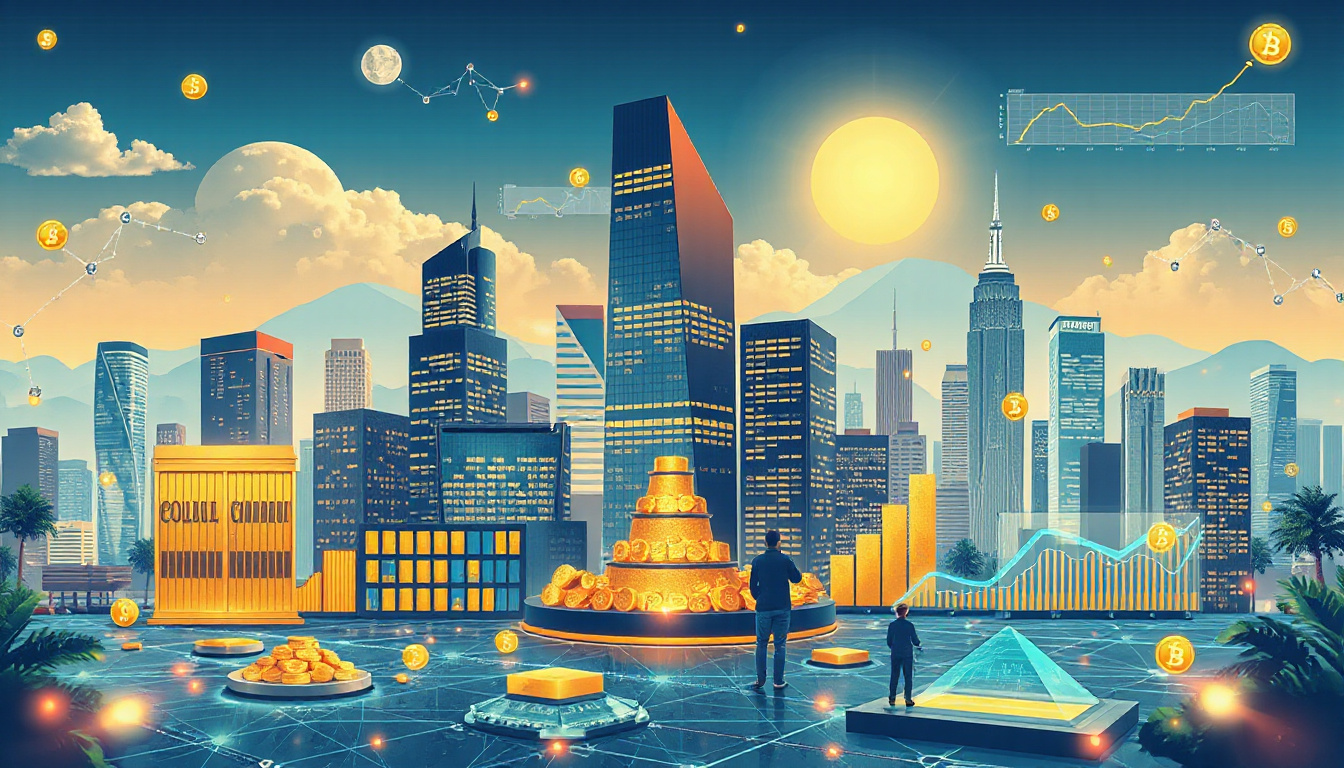
Tokenization does not stop at buildings. It also marks goods like gold or metals, which now trade at any hour with clear digital records.
Integrating Tokenization with DeFi and Institutional Infrastructure
Smart Contracts for Automation
Code on the blockchain runs tasks such as checking rules, paying earnings, and setting trade terms. This code cuts delays and reduces errors.DeFi Connections
Many tokens back loans or serve as security in digital funds. Stable coins and other protocols bind token assets to tools that pay interest in digital form.Institutional Adoption
As rules settle and systems grow, banks and asset managers add token projects. They join with tech groups and rule experts to form solid new ways to work.
Challenges and Best Practices in Asset Tokenization
Regulatory Checks
New rules call for strong checks and legal work around tokens.Data Quality & System Ties
Making tokens work needs good data and firm links to older financial systems.Strategic Roadmaps
Early work around business ideas, system plans, and teaming with experts helps small token projects grow into larger tasks.
Summary
PwC shows tokenization of real assets is moving from small tests to a common method. Digital tokens mark ownership clearly and let trades run fast. In this way, tokens open up new paths for buyers and speed up deals. As digital rules and systems become steadier, token projects will build a strong tie between old finance and digital work.
Key Terms:
- Real World Assets (RWA)
- Asset Tokenization
- Decentralized Finance (DeFi)
- Blockchain
- Tokenized Real Estate, Commodities, Funds
—
📝 About This Article
This article was generated by Hivebox AI in collaboration with nGRND.
—
⚠️ Disclaimer
This content is for informational purposes only and does not constitute financial or investment advice.
Please consult with a qualified financial advisor before making any decisions related to investments, markets, or assets.
—
Note on Accuracy & Liability
While we strive to provide accurate and up-to-date information, neither Hivebox AI nor nGRND guarantees completeness, reliability, or suitability.
Use this content at your own risk. Neither party assumes liability for any losses you may incur.
—
Thank you for reading.