
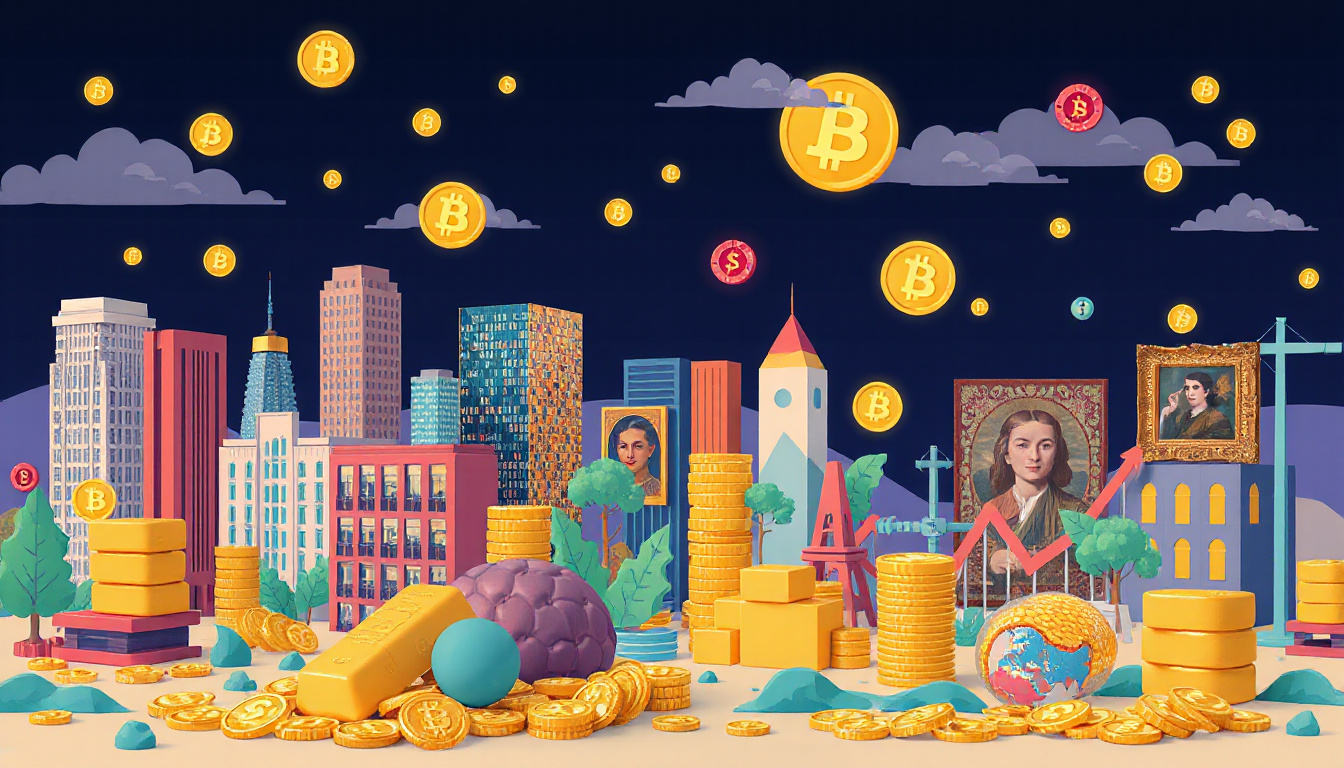
Understanding Real World Assets (RWAs) and Their Tokenization in DeFi
What Are Real World Assets (RWAs) and Asset Tokenization?
Real World Assets are tokens that hold a claim on regular items such as gold, local money, stocks, bonds, and more. These tokens are made when an issuer creates a code token that stands for an ownership share of a physical asset. This setup helps buyers trade tokens on a blockchain system. Old finance meets blockchain finance in a simple design.
Since 2021, the value of these tokens has grown. The market went from around $100 million to over $60 billion by mid-2026. Big financial groups now join in and bring token creation into their work, helping push trade and access.
Key Classes of Tokenized RWAs
Many classes of real world assets now get turned into tokens. They include:
- Stablecoins: Dollar-backed tokens make up a large part of this space. They now total over $300 billion.
- US Treasury Debt: Firms like BlackRock and Franklin Templeton put US government debt into tokens.
- Commodities: Gold tokens appear often. Gems, energy, and agriculture also have tokens.
- Private Credit: Loan groups from firms not classified as banks appear on blockchain.
- Stocks: Firms such as Ondo Finance and Backed Finance work to turn US stocks into tokens.
- Private Equity: Shares of private companies become tokens that can swap hands.
- Real Estate: Home and office tokens allow buyers to hold a piece of a building.
- Other RWAs: Tokens also exist for art, collectibles, whiskey, and ideas, though these markets are still small.
How Are RWAs Issued and Managed?
The work of issuing tokens happens in clear steps:
- An asset manager buys the base asset and places it in a special fund.
- A keeper who follows rules holds the asset safe.
- A platform makes a token that shows a claim on the asset.
This method runs best with paper assets like stocks. Items such as houses or gold make the work harder because of extra rules and safe keeping steps.
Leading Firms and Market Infrastructure in RWA Tokenization
Big firms in old finance and digital finance now create tokenized assets. For example:
- Circle makes a dollar token named USDC and works with treasury funds.
- BlackRock and Franklin Templeton put US government debt into tokens.
- Securitize stands as a big provider of token services. In March 2026, the New York Stock Exchange picked Securitize to build a trading system for tokens that works all day.
The Ethereum system processes more than half of these tokens. BNB Chain and Solana work with them too, though with fewer transactions.
Benefits and Risks Associated with RWA Tokenization
Benefits
Tokenized assets let people trade any time of day. Blockchain helps move funds in moments, not days. Fewer middle steps drop the fee cost. Splitting a high-value asset into small pieces helps more people join. Groups around the world can now invest with ease.
Larry Fink of BlackRock said the process may make complex investments seem as simple as shopping online.
Risks
Good keepers must hold the assets. A problem with a keeper can harm the token holder. Rules for these tokens are still in work, which may cause legal gaps. Bugs in the code can bring loss. Some token groups do not yet see much trade, which can slow growth.
Summary
Real World Assets build a bridge from regular assets to blockchain trade. The change touches coins backed by money, government debt, stocks, gold, and real estate. The work needs close care between banks and blockchain code systems. With trade round the clock, fast money moves, low fees, split ownership, and global access, RWAs change finance. At the same time, risk with keepers, rules, code, and slow trade remind us to watch every part of the work carefully.
—
📝 About This Article
This article was generated by Hivebox AI in collaboration with nGRND.
—
⚠️ Disclaimer
This content is for informational purposes only and does not constitute financial or investment advice.
Please consult with a qualified financial advisor before making any decisions related to investments, markets, or assets.
—
Note on Accuracy & Liability
While we strive to provide accurate and up-to-date information, neither Hivebox AI nor nGRND guarantees completeness, reliability, or suitability.
Use this content at your own risk. Neither party assumes liability for any losses you may incur.
—
Thank you for reading.

