Real World Assets (RWA) Tokenization: Tracking Traditional Assets On-Chain in DeFi
What Are Real World Assets and Their Tokenization?
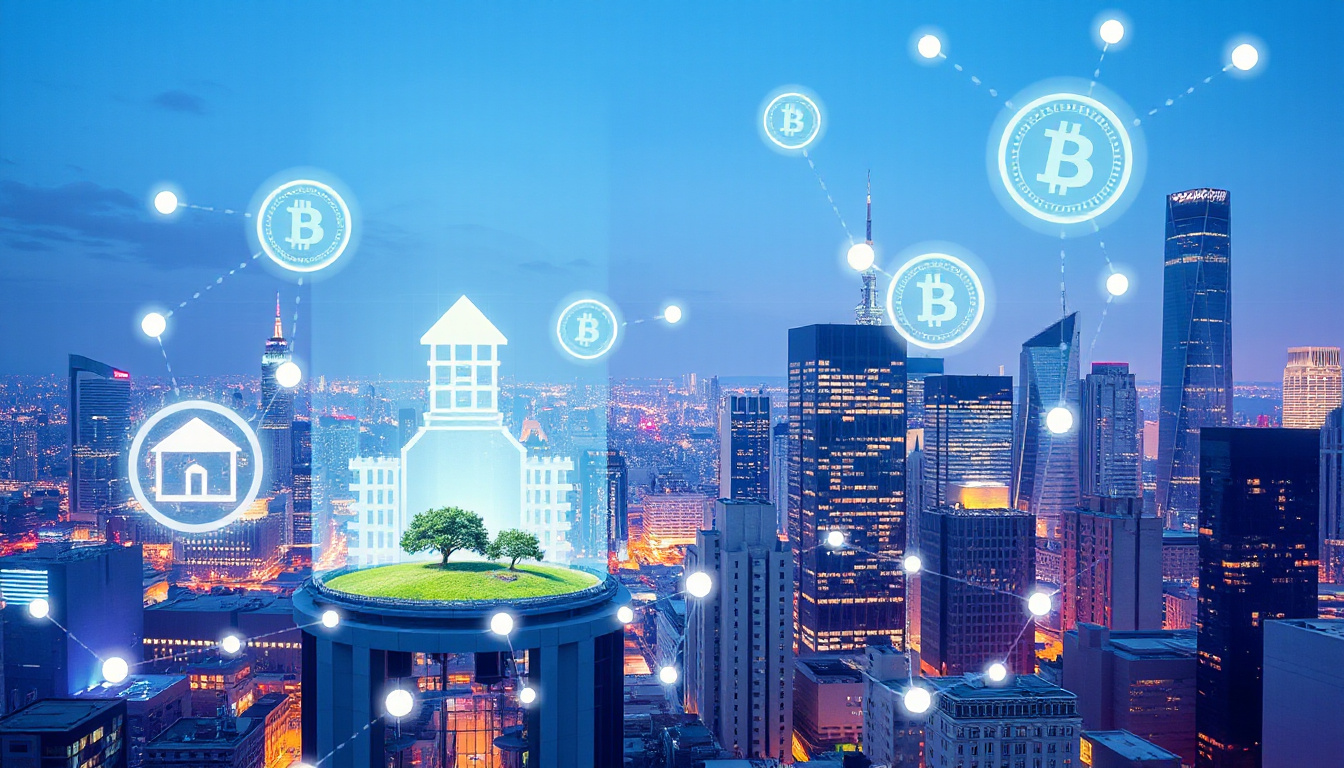
Real World Assets are physical items or finance products. They include government bonds, real estate, stocks, corporate debt, or invoices. These assets exist off the blockchain. Tokenization turns them into digital tokens on a blockchain. Each token ties directly to the asset. Regulated bodies or special companies issue these tokens. The method links old finance systems with new decentralized tech.
How RWA Tokenization Benefits DeFi and Market Systems
Tokenizing Real World Assets lets capital markets join with DeFi. It makes tokens that hold real value and yield. This mix, in one chain, creates clear advantages. Tokens stand for investments like short-term government debt, commodities, or money funds. They work with smart contracts to settle deals fast. Buyers can own small parts of high-value items. Investors use tokenized assets to spread risk and use funds smartly.
Examples of RWA Tokenization: Treasuries, Funds, and Commodities
Some tokenized assets include US Treasury securities and money funds. Projects like Ondo Finance, Maple, and Superstate issue Treasury tokens. Well-known asset managers run token funds where tokens tie to steady values and daily earnings. One example shows a fund tracked on the Arkham Intel Platform. Institutions hold tokens that earn daily income with steady coin features.
Other assets, like tokenized stocks or private loans, now join the mix. New types include tokens for gold, oil, agricultural items, and even carbon credits. These tokens give clearer steps to trade and share assets. They bring old items onto a modern chain with simple links between words and ideas.
The Rules and Institutions Behind RWA Adoption
Tokenized assets need solid trust from issuers, auditors, and keepers. The link from token to asset remains strong when these groups work close. Many blockchain systems, such as Ethereum, Polymesh, and Plume, join this trend. Clear rules and institutional trust help build the system. Banks and governments test tokenized bonds and bank deposits. They show growing interest in a new view of financial systems.
Conclusion: Bridging Traditional Finance and DeFi with RWA
Tokenizing Real World Assets builds a link between old finance and blockchain systems. RWAs bring real value and steady yield to DeFi. Old assets become tokens that smart contracts can handle. Investors gain ways to own pieces of large items and track them clearly. Institutions and rules work hard to grow this new way of trade. The new tokens mark a strong step in turning classic markets into on-chain ideas.
—
📝 About This Article
This article was generated by Hivebox AI in collaboration with nGRND.
—
⚠️ Disclaimer
This content is for informational purposes only and does not constitute financial or investment advice.
Please consult with a qualified financial advisor before making any decisions related to investments, markets, or assets.
—
Note on Accuracy & Liability
While we strive to provide accurate and up-to-date information, neither Hivebox AI nor nGRND guarantees completeness, reliability, or suitability.
Use this content at your own risk. Neither party assumes liability for any losses you may incur.
—
Thank you for reading.