Real World Assets and Asset Tokenization: Transforming Ownership through DeFi
Understanding Asset Tokenization and Real World Assets (RWA)
Asset tokenization means that we turn asset rights into digital tokens on a blockchain. These tokens prove who owns a part of an asset. They can be alike or unique depending on the asset type. Tokenization lets many investors share one asset by owning small parts.
Real World Assets cover many items such as:
• Houses, offices, and empty land
• Oil, gold, and crops
• Stocks, bonds, and loans
• Art and rare items
• Jewelry and classic cars
• Patents and royalty rights
• Roads, bridges, and energy projects
• Farmland, animals, and crops
• Solar panels and wind turbines
Tokenizing these assets creates a digital record of ownership. It opens new ways to trade and invest on DeFi platforms.
Linking RWA Tokenization, DeFi, and Market Infrastructure
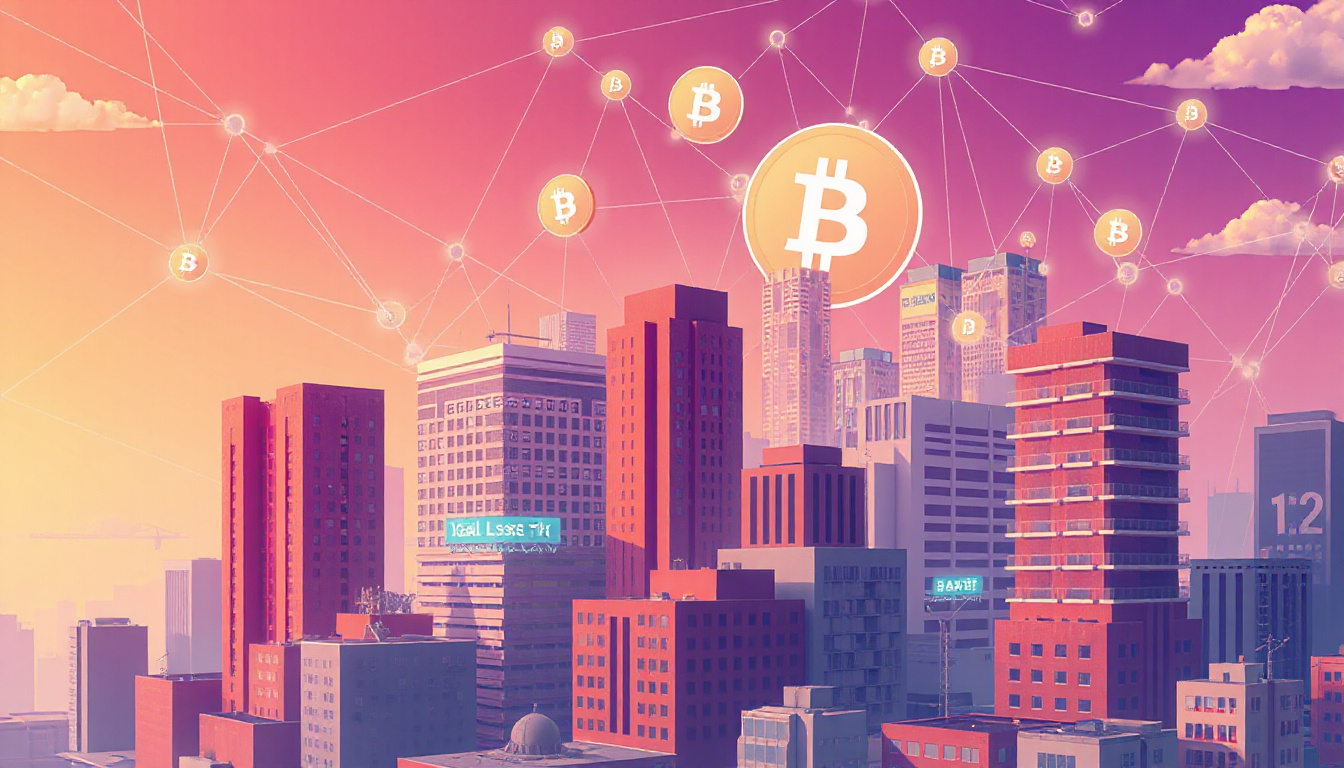
Tokenization of real assets connects them with DeFi. Smart contracts run on blockchains and set rules for tokens. They check rules, pay shares, and run votes. This cuts out middlemen like brokers. It may bring down fees and speed up deals, much like stock trading. Digital markets for tokens let more investors join by sharing parts of an asset.
Regulatory and Operational Challenges in Asset Tokenization
Tokenization faces risks that need care:
• Many places do not have laws that accept tokens as proof of owning an asset.
• Rules change and vary by place, which can add risks for investors.
• The tech is hard, and users may face dangers with wallet keys and hacks.
• Putting a fair price on a unique token may create tax issues.
• Safe storage is needed to stop token loss, and the digital system must work with old banks.
Examples of Tokenized Real-World Assets
Some fields try tokenization in practice:
• Real estate tokens split the cost of a building or office space.
• Commodity tokens stand for gold, oil, or crops.
• Stocks and bonds become tokens for trade in a digital market.
• Art and rare items turn into tokens so more people can buy in.
• Power projects and large structures split into tokens for many buyers.
These cases show that tokenization can raise liquidity, clear records, and allow more access to old markets.
Summary
The tokenization of Real World Assets on blockchains changes how we record, share, and trade ownership. Tokenized assets in DeFi give more investors a quicker and more open way to trade. This new system works with both legal rules and tech risks. With time, tokenization may join traditional finance and digital tech in new ways.
—
📝 About This Article
This article was generated by Hivebox AI in collaboration with nGRND.
—
⚠️ Disclaimer
This content is for informational purposes only and does not constitute financial or investment advice.
Please consult with a qualified financial advisor before making any decisions related to investments, markets, or assets.
—
Note on Accuracy & Liability
While we strive to provide accurate and up-to-date information, neither Hivebox AI nor nGRND guarantees completeness, reliability, or suitability.
Use this content at your own risk. Neither party assumes liability for any losses you may incur.
—
Thank you for reading.