Everything You Own Will Live On-Chain Thanks to Real-World Asset Tokenization
By Daniel Phillips
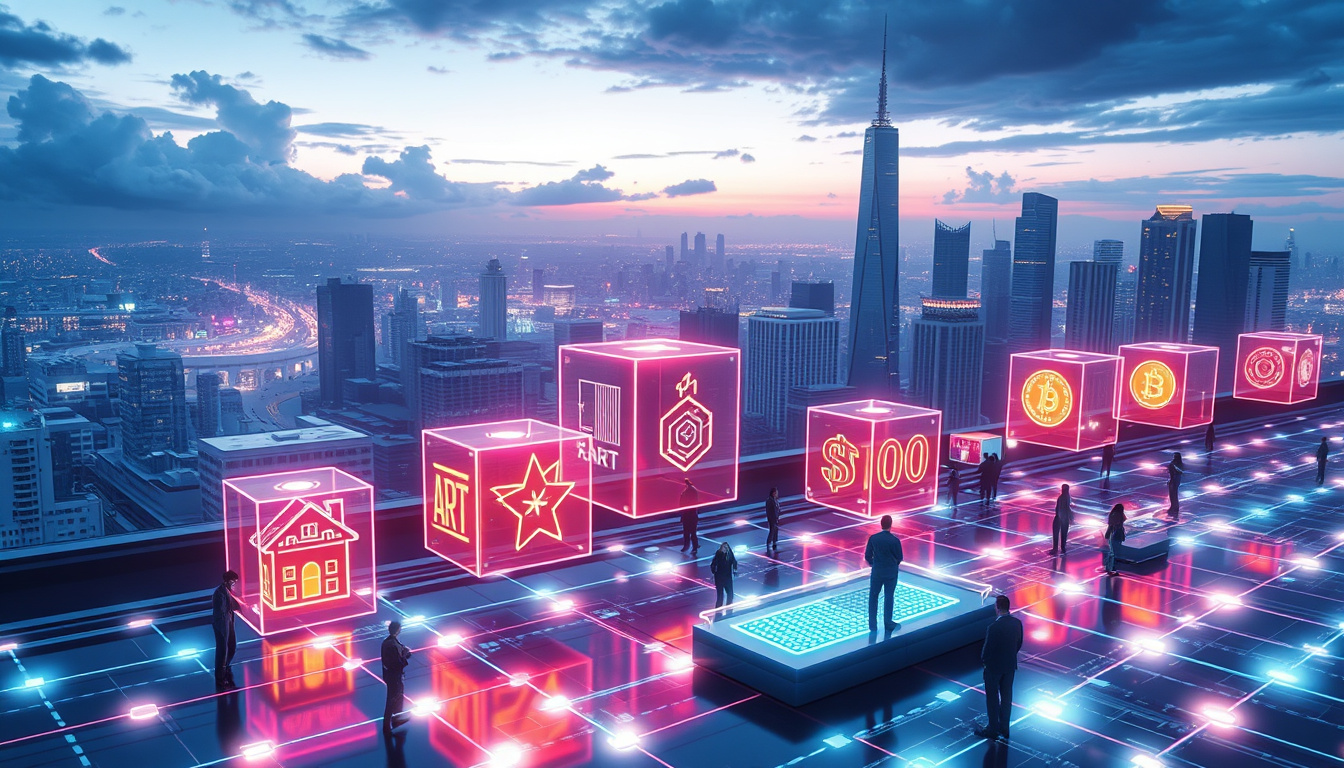
Tokenization turns real items into digital tokens. It began in white papers and small tests. Today, investors buy small parts of funds, companies, and even collectible cards. Blockchain records the trades. The system links clear ownership rights to digital tokens. This change shifts how we own, trade, and settle assets.
Understanding RWA Tokenization
Tokenization shifts assets like bonds, stocks, and funds into digital tokens on a blockchain. Each token shows a piece of an asset. Investors can invest small amounts. Trades happen at any time without traditional market limits. Tokens work with decentralized finance and create quick trades.
Stablecoins were the first tokens. They have matched fiat money on blockchains since the mid-2010s. Soon, bonds moved on-chain. The European Investment Bank issued a sterling token bond with HSBC Orion in January 2023. Hong Kong followed with a green bond. Later, BlackRock started a fund on Ethereum. That fund soon became the largest token fund. In 2025, the GENIUS Act set a federal framework for US stablecoins and sped growth.
Leading Asset Classes in RWA Tokenization
Three types of tokens now form the market:
Tokenized Treasuries and Money Market Funds:
These tokens give yield and quick settlement. They can support trades in decentralized markets. Circle’s USYC product holds nearly US$3 billion in tokenized short-term Treasuries. BlackRock’s fund holds about US$2.4 billion. Franklin Templeton’s product has around US$821 million. Most platforms check user identity and require a registration list.On-Chain Stocks:
Tokens for stock ownership grew fast. They increased by about 2,878% to nearly US$963 million by January 2026. XStocks from Backed Finance (now part of Kraken) has many holders. Ondo Global Markets controls the largest pool by value. Some tokens mimic stock prices, while others act as real shares that pay dividends.Innovative Derivatives and Perpetual Markets:
A new segment uses derivatives and continuous trade systems. Hyperliquid’s HIP-3 started in October 2025. Its design lets developers use HYPE tokens to start markets for continuous trades. Ventuals built a system that sets prices for private companies. Its volume jumped from US$100 million to US$200 million in just 17 days. Trade.xyz holds over 90% of HIP-3 open stakes. It drives more than one third of Hyperliquid’s overall trade volume and challenges old trading systems.
Which Blockchains Are Leading the RWA Race?
Many blockchains now support tokenized assets. Ethereum hosts nearly half of the US$16.6 billion market. BNB Chain has grown quickly and now holds about US$4 billion in locked tokens. Its system works with 14 active groups in bonds, stocks, indices, private credit, and commodities. By trade count, transaction volume, and user activity, BNB Chain leads the market. Other chains, such as Solana, Plume, Stellar, Avalanche, and XRP Ledger, have roles that fit their speed, cost, and rule sets.
The Unusual and Exciting Frontiers of Tokenization
Tokenization now reaches far beyond common financial items. On-chain collectible cards have built a full market. Companies like Collector Crypt store graded cards and mint tokens on Solana and Binance Smart Chain. These tokens mix in game-like features such as pack openings. Some tokens may even be exchanged for physical cards. The 30th anniversary of Pokémon in 2026 helped boost this market. Some tokens back on-chain loans.
Other goods have turned into tokens. Uranium, copper, gold, and silver now have token models. Gold tokens often appear in the top trade volumes.
A bold test in this trend is USD.AI. It turns Nvidia GPUs that run AI centers into tokens. These tokens secure on-chain loans for groups such as QumulusAI and Sharon AI. This work may make computing power a tradeable asset in the coming years.
Looking Ahead
Any asset with a clear cost, ownership, and buyer interest can become a token. More types of items will join digital markets. This shift can add quicker trade, better access, and clear records for many assets.
BlackRock Chairman Larry Fink said in 2025, "Every stock, every bond, every fund, every asset can be tokenized." In 2026, he pictured digital wallets that let billions buy groups of companies as easily as making a usual payment.
Real-world tokenization moves fast from plan to common use. The next tokenized asset is waiting to be named.
Disclaimer: This article is for information only and is not advice. Readers should check their own sources before making any choices. The thoughts here belong to the author and do not show the view of CoinMarketCap.