
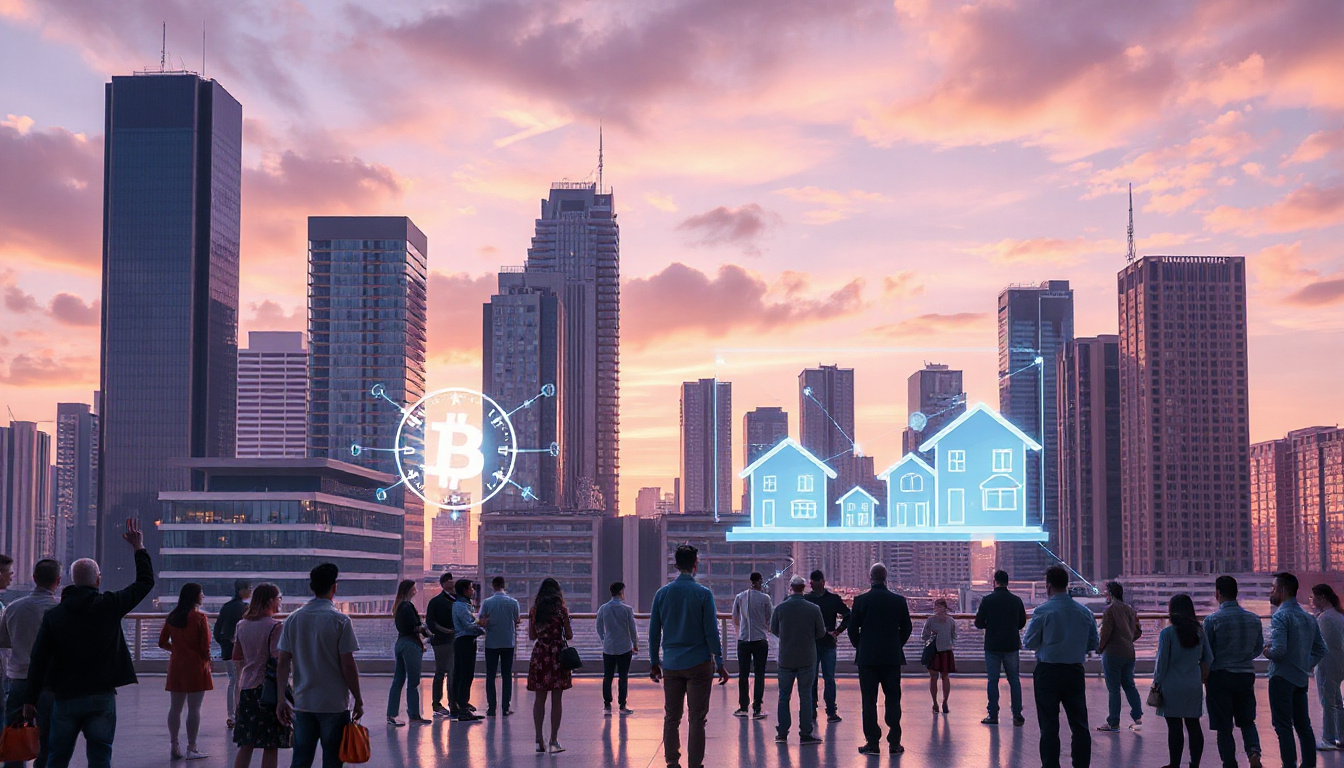
Real World Assets (RWA) and Tokenization Transforming the Financial Industry: Insights from PwC
How Tokenization Digitizes Real World Assets
PwC explains tokenization of real assets. These assets include both physical items and financial items. Tokenization marks each asset with a digital token on a blockchain. The token sits with the asset and makes it open to buyers everywhere. The token cuts trade and investment time.
• Tokens hold a share of an asset.
• Tokens trade on secondary markets, crypto exchanges, and online brokers, drawing in retail buyers who trust new tech.
• Banks, investors, and companies gain when transactions settle almost at once.
• Quick transfers replace old deals that took hours or days.
Tokenization Mechanics: Blockchain, Smart Contracts, and Legal Structures
The PwC report explains terms within tokenization.
• Blockchain stands as a secure, open ledger that keeps data close.
• Smart contracts run set tasks automatically; they trigger payments when checks like identity rules pass.
• Tokenization assigns a digital mark to an asset. This mark is usually issued via a special company that meets legal rules.
For example, a real estate asset gets tokenized by issuing digital shares. The shares come from a company that holds the property. The property title stays and does not move with each token.
Use Cases: Real Assets, Commodities, Funds, and Beyond
PwC finds many uses for tokenization. Each case cuts costs, brings quick money, and clears trade steps.
• Real assets like houses and infrastructure get tokens. This method allows for part ownership, lower fees, and clear finance.
• Commodities such as precious metals and industry goods gain round-the-clock trade. Their tokens track who owns them at any moment, and they come with safer hold methods.
• Funds and bonds get tokenized to make trade fast and work clear.
• Tokens also mark loans, notes, private equity, and special finance tasks.
• Stable tokens help with digital cash that earns a rate.
Integration Challenges: Regulation, Governance, and Infrastructure
The token work must meet strict rules. Firms face many checks as they work to put tokens in place.
• Rules that meet legal needs must be followed.
• High data quality and strong control systems stand as musts.
• Banks and tech teams join old systems with new ones in a smooth join.
A strong token plan needs clear goals, work models, and trusted partners who know both tech and rules. As tech and control become more set, buyers seek tokens for their quick, clear trade.
Conclusion: From Experimentation to Value Creation in DeFi and RWAs
PwC shows a change from test steps to real deals in tokens. Tokenization turns asset ownership into a digital mark that makes trade fast on a blockchain with smart code. These new marks join a wider financial system, drawing in banks and companies. When tech, rules, and work methods join well, token work brings more cash, clear views, and a way to handle assets in a new light. This change may mark a new day in finance.
—
📝 About This Article
This article was generated by Hivebox AI in collaboration with nGRND.
—
⚠️ Disclaimer
This content is for informational purposes only and does not constitute financial or investment advice.
Please consult with a qualified financial advisor before making any decisions related to investments, markets, or assets.
—
Note on Accuracy & Liability
While we strive to provide accurate and up-to-date information, neither Hivebox AI nor nGRND guarantees completeness, reliability, or suitability.
Use this content at your own risk. Neither party assumes liability for any losses you may incur.
—
Thank you for reading.

