Real World Assets and Asset Tokenization: a Digital Transformation in Ownership
What is Asset Tokenization and Real World Assets (RWA)?
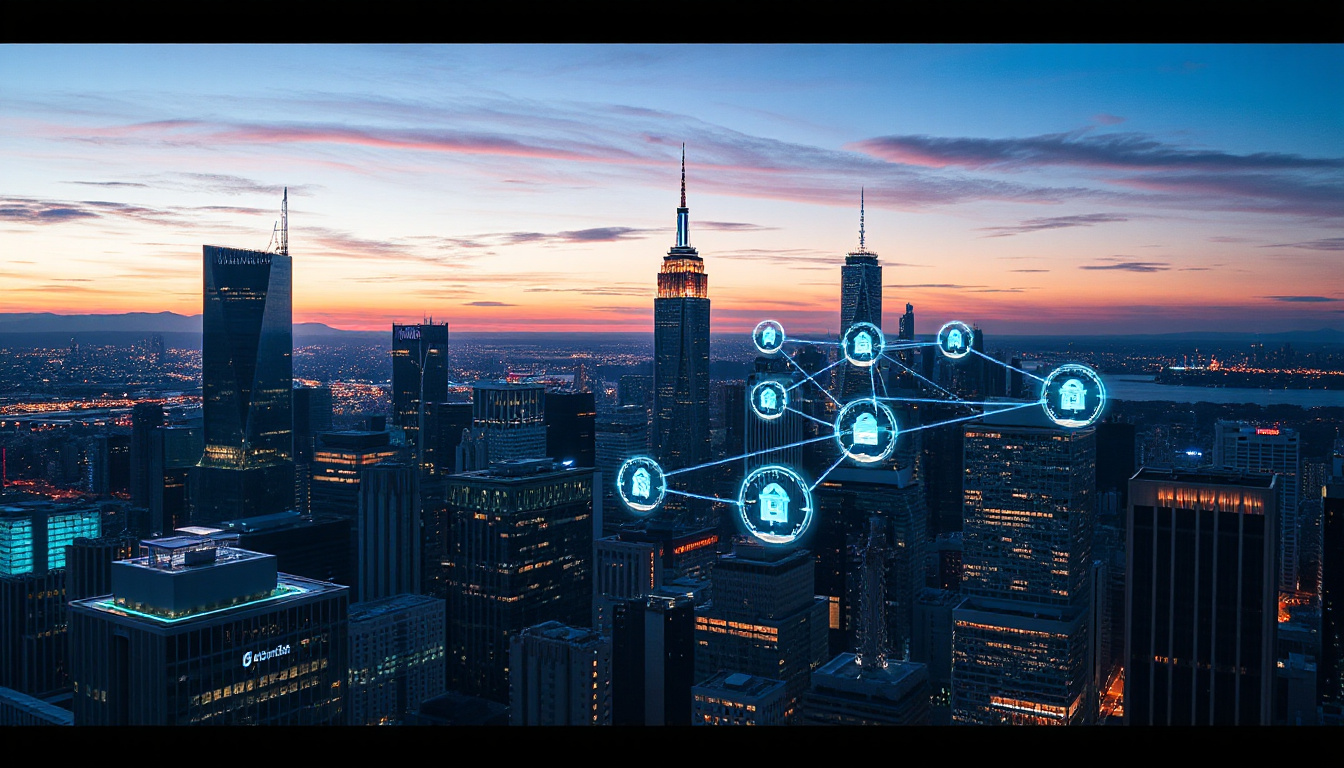
Asset tokenization means you change a right to own an asset into a digital token. This token lives on a blockchain and shows proof of ownership. The token stands in place of older proofs like deeds or titles. Real World Assets cover many items. You can turn houses, offices, or land into tokens. You can also change oil, gold, and food items into tokens. Stocks, bonds, and contracts come next. Art, rare items, policies, papers, and even loans get tokenized. Patents, royalties, wines, and spirits also join in. Big structures like bridges and solar panels turn into tokens too. You even find tokens for ships, planes, farms, and raw resources.
Tokens come in two types. One kind is fungible. These tokens switch with each other. The other kind is non-fungible. Each one shows a unique asset.
Benefits of RWA Tokenization in DeFi and Institutional Contexts
Tokenizing assets brings many gains. You can split an asset into many tokens. This split lets more people join in even if they have little money. This mix opens up classes once hard to reach. It makes it simpler to buy, sell, or trade tokens. The blockchain keeps a clear public record. Smart contracts cut out many middlemen. They also speed up trading. New tokens add variety to an investment mix. Smart contracts also hold extra parts like compliance, profit sharing, and rules voting. These points bring the blockchain world and finance closer. Big firms see safe, clear ways to invest in this space.
Challenges and Regulatory Considerations for Tokenized Real World Assets
Tokenizing assets shows risks, too. Law may not accept a token as proof of ownership everywhere. Rules for tokens shift from one place to another; getting them right can be hard. Setting a price for tokens is not simple. This task takes more work when assets are rare or one of a kind. Keeping tokens safe adds extra needs. Digital tokens must be stored with care to stop theft or mistakes. Computer systems and smart codes can show weak points. They do not always fit with old money systems or law. Tax rules differ from one area to the next. This mix adds work for those who report and follow rules. All these matters show that the market is still young. A change in law and tech will help this work better.
How Asset Tokenization Works
Tokenizing an asset needs to go through clear steps:
- First, you choose an asset.
- Next, you check that it meets legal and rule needs.
- Then, you pick a blockchain to publish the token.
- After that, you design a token that stands for the asset.
- You then set a value by checking the asset’s worth.
- After the value is set, you issue tokens via smart code.
- Finally, you list them on a digital market to trade if needed.
At times, a token breaks into small parts so many people can own a share.
Examples of Tokenized Real World Assets
Even if the field is new, many groups try tokenization. Some work with houses or offices so owners share a building. Others use tokens for gold and oil. Some groups turn art and rare items into tokens. Others change bonds into tokens. A few add tokens for wind or solar power projects. Each example brings a bit of old and new money worlds together.
Conclusion
Asset tokenization marks a shift in ownership. Old asset types such as houses, food, stocks, and art can now come in a small token. Each token shows clear proof on a public ledger. The token system may cut costs, speed up trades, and give investors many choices. Token systems show problems too, from law to tech, and tax. As the market grows, matching old rules with new tech will help many groups join in.
—
📝 About This Article
This article was generated by Hivebox AI in collaboration with nGRND.
—
⚠️ Disclaimer
This content is for informational purposes only and does not constitute financial or investment advice.
Please consult with a qualified financial advisor before making any decisions related to investments, markets, or assets.
—
Note on Accuracy & Liability
While we strive to provide accurate and up-to-date information, neither Hivebox AI nor nGRND guarantees completeness, reliability, or suitability.
Use this content at your own risk. Neither party assumes liability for any losses you may incur.
—
Thank you for reading.